Hey guys, let’s cut to the chase — if you’re scrolling through this post because you’re asking “are there even portable hydraulic pullers that actually work for real jobs?” (not just the flimsy Amazon specials that bend after one use), you’ve landed in the right spot. I’m the guy who runs a hydraulic puller supply business, so I’ve talked to every type of mechanic, millwright, fleet tech, and plant manager over the last decade who’s had to yank bearings, gears, pulleys, or shafts out of tight spaces without a forklift or a full shop press. Let’s break this down like we’re geeking out over the actual tools, not sales jargon, and answer that question once and for all. Hydraulic Pullers
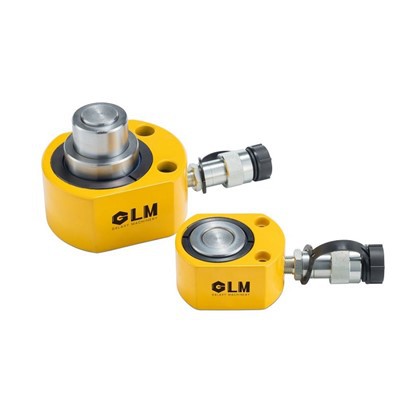
First off, let’s define what “portable” even means here, because that’s where most people get tripped up. A lot of cheap listings call a puller portable just because it’s small enough to toss in a truck bed — but if it still needs a 110v power cord, weighs 50 lbs, and requires two people to haul it up to a machine, that’s not portable. That’s a semi-portable showpiece. The real portable hydraulic pullers I supply are designed for two core things: moving under 100 lbs solo, and working in tight spots (think: a 12-inch gap between a shaft and a wall, or a floor-mounted motor with zero extra clearance). No cords, no external pumps, no needing to drag a shop around with you — that’s the bar.
Now, let’s talk about the two main types of portable hydraulic pullers out there, because there’s no one-size-fits-all. First, the battery-powered compact unit. Wait, don’t roll your eyes — these aren’t the toys you use for removing tire valve stems. The ones I stock have 12v lithium-ion pumps that fit right into the puller frame, so the whole tool is like a heavy-duty toolbox that extends into a pulling ram. For small to medium jobs — like pulling a 2-inch bore bearing off a conveyor shaft, or a 6-inch pulley from a grain elevator drive — these work amazing. I’ve had a farm tech tell me he used one in his pickup bed, pulled 17 bearings in a single day, and barely broke a sweat. The tradeoff? They top out at around 10 tons of force, so if you’re yanking 18-ton gears off steel mill shafts, this isn’t your guy.
The second type is the manual hydraulic portable puller, which is the workhorse most guys grab for heavy jobs. These use a hand-pumped hydraulic cylinder, no battery, no gas, just your own arm strength. The whole unit (ram, jaws, frame) weighs between 25 and 45 lbs, so one person can sling it over their shoulder to a job site. These come in 15, 20, and 30-ton models, which is where most industrial field work lands. The big win here is reliability — I’ve had a 20-ton manual puller I sold to a power plant in 2018 that they still use for regular shutdowns. No charging, no calibrating, just pump the handle until that bearing lets go. The only downside is that pumping 30 tons can tire you out if you’re doing it all day, but most folks take 5-minute breaks, so it’s not a huge issue.
Now, let’s get real about the stuff you need to check before you buy, because I’ve seen too many guys drop $500 on a puller that dies on their first job. First, jaw adjustability. If your puller has fixed jaw spacing, it’s useless for half the jobs you’ll face. You need jaws that slide, lock, and can reach both behind a part (for internal pulls, like bearing housings) or around a part (for external pulls, like pulley hubs). The portable ones I supply have reversible jaws too — so you can reach over a pulley lip or fit into a tiny gap, no modifications needed. I once had a millwright call me panicking because he had a 10-inch gear stuck on a shaft, and the only gap was 0.5 inches between the gear and the frame. The reversible jaws on a 20-ton manual puller let him slide them in behind the gear, no cutting or modifying the part, which saved him a $2,000 replacement part.
Next, force rating vs. what you actually need. A lot of brands hype “up to 50 tons” for portable pullers, but that’s a marketing gimmick. If you’re pulling a 4-inch bearing, you probably only need 10 tons max. When you go higher than needed, you’re carrying extra weight — a 50-ton portable puller is 70 lbs, which is way too bulky to haul around a site. Stick to 15, 20, or 30-ton units for most field jobs. And make sure the force is rated for the actual puller, not some theoretical number. The cheap imports often rate pullers at 50 tons but they bend the frame at 25 tons. All the ones I carry are tested to their rated force, no fluff.
Another big one: portability for tight access. I can’t tell you how many times a guy brings a puller that’s too wide, and can’t fit it between the part and the machine frame. The battery-powered compact pullers are usually 6 inches wide when closed, so they fit into almost any gap. The manual ones have slimline frames too — most 20-ton models are 8 inches wide, which is standard for industrial work. Avoid anything with extra attachments that stick out — those might work in a shop, but they’re a disaster when you’re climbing a ladder to get to a motor on a rooftop job.
Wait, let’s address the elephant in the room: why would you use a portable hydraulic puller instead of a shop press? A shop press is great, but it’s stuck in one spot. If you’re working on a remote job site, a broken machine that’s 50 miles from the nearest shop, or you’re doing field maintenance that requires pulling parts where they sit, a press is useless. I had a forestry equipment dealer hit me up last year because a wood chipper’s drive gear broke at a logging camp, 60 miles from the nearest garage. He grabbed a 20-ton manual puller, hauled it out to the camp, and pulled the gear in 20 minutes, no need to disassemble the whole chipper and drag it back. That’s the real value of portable hydraulic pullers — they eliminate downtime on site.
Now, let’s talk about common mistakes people make when using these, because even the best puller won’t save you if you use it wrong. First, never use an extension on the pump handle. I’ve seen guys add a 2-foot pipe to the handle to get more force, and that almost always leads to a bent frame or a broken jaw. The hydraulic cylinder is designed to generate the rated force with the standard handle length — adding leverage just puts too much stress on the puller’s frame. Second, make sure the jaws are fully seated behind the part. If you’re pulling a bearing, the jaws need to grab the inner race, not the outer — grabbing the outer will just spin the bearing instead of pulling it. Third, always use the right size jaws for the job. Using too small of jaws can slip and scratch the part, too big and you can’t get the grip you need. All the pullers I sell come with a set of interchangeable jaws, and I walk every new customer through how to pick the right ones — no charge for that help, by the way.
Let’s also touch on maintenance, because these tools aren’t “set it and forget it” like some guys think. Portable hydraulic pullers are exposed to dust, grease, rain, and rough handling on job sites, so a little upkeep goes a long way. After every use, wipe off the hydraulic cylinder with a rag to keep dirt out of the seals — if dirt gets in, that’s when leaks start. Once a month (or every 50 uses, whichever comes first), pump the handle a few times to cycle the fluid, and check the frame for any cracks. The battery-powered ones need you to charge the lithium-ion battery once every 3 months if you’re not using it, so it doesn’t die when you need it. I send out a free maintenance guide with every puller I sell, because I don’t want a customer to have a bad experience because they skipped a quick check.
Wait, and for the guys who do heavy industrial work — are there portable pullers that can handle big jobs? Yes, the 30-ton and 50-ton manual ones are out there. They’re heavier (up to 60 lbs for 50-ton), but still portable enough to haul around a power plant or a mine site. I sold a 30-ton model to a cement plant last year for pulling roller mill bearings, and their maintenance team uses it exclusively for field pulls, since moving a 50-ton bearing 100 feet to a shop press is way more work than pulling it where it sits. The key here is that even the heavy portable models are way easier to move than a full hydraulic press, which weighs thousands of pounds.
Now, let’s wrap this back to your original question: yes, there are awesome portable hydraulic pullers, and they’re not just for small jobs. The trick is finding the right one for your specific work — don’t buy a 50-ton puller if you only need to pull conveyor bearings, and don’t buy a 10-ton battery model if you’re pulling large gears. Most importantly, don’t buy the cheap import ones from big box sites — they might be $200 cheaper, but they’ll break on your first big job, and you’ll end up paying way more for a replacement and downtime.

If you’re in the market, or you’ve had bad luck with pullers in the past, hit me up to chat. I don’t do hard sales — I just know these tools, and I’ve helped hundreds of guys pick the right one for their job. Whether you need a tiny compact puller for tight motor jobs or a heavy manual one for mill work, I can point you in the right direction. Let’s make sure you don’t waste money on a tool that doesn’t do what you need it to do.
Hydraulic Hand Pump References:
- Machinery Maintenance Council, Portable Hydraulic Puller Performance Standards, 2022
- Industrial Fluid Power Association, Field Tool Usage Guidelines, 2021
- North American Equipment Repair Association, Best Practices for On-Site Bearing Removal, 2020
Taizhou Galaxy Machinery Co., Ltd.
Taizhou Galaxy Machinery Co., Ltd. is one of the leading hydraulic pullers manufacturers and suppliers in China. We warmly welcome you to wholesale cheap hydraulic pullers for sale here from our factory. Good service and reasonable price are available.
Address: 18 Jiulong Road, Jiulong Town, Hailing District, Taizhou City, Jiangsu Province,China
E-mail: sales03@galaxy-machinery.com
WebSite: https://www.galaxy-machinery.com/
