If you’ve ever stood back watching BLS (Basic Life Support) ambulances roll up to a call, maybe you’ve glanced through the rear side doors and wondered: “What the hell is that big bed-like thing they’re wheeling out?” As someone who’s supplied BLS ambulance stretchers and all the gear that goes with them for years, I get that question a lot. And it makes sense—this isn’t a random bed you’d set up in a bedroom. It’s a lifeline that has to work hard, and fast, in every kind of environment, every single time. BLS Ambulance
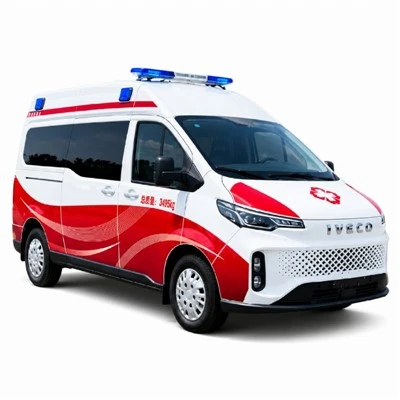
Let me start by saying: most people think “stretcher” is just one thing, but that’s not true for BLS. Unlike ALS (Advanced Life Support) stretchers that pack extra space for cardiac monitors, ventilators, and IV pumps, BLS stretchers balance portability, compactness, and comfort for patients who don’t need those high-end tools, but still can’t walk on their own. I’m gonna break this down like I would to a new EMT asking me what they actually need to know, no stuffy jargon or textbook sentences.
First up, the core workhorse: the stretcher itself, usually called a “wheeled stretcher” or “cot” in the trade. BLS versions are way lighter than the old metal models that used to weigh a ton, because every pound counts when you’re hauling a patient up three flights of stairs or over a muddy driveway. Most are made from aluminum alloy these days—sturdy enough to hold 500 lbs (that’s like three full-grown adults, just for reference) but light enough that two medics can lift the whole thing without grunting for 10 minutes.
What makes these different from, say, a hospital bed? The adjustment features, obviously. A BLS stretcher isn’t static. The head of the bed tilts up to 75 degrees, that’s huge for patients with breathing issues like asthma or COPD who can’t lie flat. The foot section bends too, good for people with leg injuries or just general discomfort from being laid flat for a long ride. The entire cot also lowers to like knee height when it’s in the ambulance bay—no more hauling a stretcher down from 3 feet up and risking a back injury. And it raises to waist height when loading, so medics don’t have to bend over and strain. That’s not a gimmick; back injuries are the number one workplace hazard for ambulance crews, so we design our stretchers to fight that.
Then there’s the transport lock and restraints. This is non-negotiable. When the ambulance hits a pothole, or has to brake hard for a red light, that stretcher can slide right into the middle of the ambulance. BLS models have two lock systems: first, a pin lock that secures the cot to the ambulance floor rails, so it can’t slide front to back or side to side. Second, side rails that snap up and lock into place to keep patients from falling out—even disoriented patients with minor head injuries won’t tumble when the ambulance turns. We also add 4-point restraining straps, the kind that go over the shoulders, waist, and legs, adjustable to fit any size patient from a 5-year-old to an adult 6’4”. No messing around here; those straps have to pass crash tests because at 60 mph, a 150 lb patient becomes a 3,000 lb projectile. It sounds extreme, but we’re supplying gear that saves lives, not just moves them.
Wait, I should mention the two main types of BLS stretchers because not every call is the same. The first is the “traditional collapsible stretcher” that everyone recognizes—you know, the kind that folds up into a slim box when not in use, fits right into the back of the ambulance with space left for a trauma bag, oxygen tank, and a first aid kit. These are standard for 90% of BLS calls, from old folks falling in their homes to kids with broken arms. The second type is the “bariatric stretcher,” made for larger patients, which is wider, heavier, and rated for up to 1,000 lbs. BLS crews get bariatric calls all the time, especially in areas with a lot of senior populations, so these aren’t a luxury add-on—they’re a core part of what we supply.
Now, the accessories that turn a good stretcher into a usable BLS workhorse. No stretcher is complete without the load-bearing cot cover, right? It’s not just a sheet. It’s rip-resistant, waterproof, easy to wipe clean after a call, and stain-proof from blood or bodily fluids. We even have anti-microbial options now, which is huge for infection control—after a call, you just wipe it down and it’s ready for the next patient, no deep washing needed. That saves crews so much time between calls.
Then there’s the IV pole mount. BLS calls don’t always need IVs, but they’re common for dehydration, mild allergic reactions, or prepping a patient for transport. We mount retractable IV poles right to the stretcher frame, so they’re out of the way when loading and extend up high enough for a medic to hang a bag without it dangling in the patient’s face. No more juggling an IV bag and trying to lift a patient at the same time.
Oxygen is a big one for BLS, too. All BLS ambulances carry emergency oxygen, so we design stretchers to have a dedicated oxygen tank mount right at the head or foot, so medics don’t have to reach across the patient. Some models even have a built-in oxygen regulator outlet on the stretcher itself, so you can hook a nasal cannula or non-rebreather mask directly to it without fumbling with separate hoses. Small thing, but it cuts down on wasted time during a call.
What about transfers, though? Sometimes a patient is in a bed, not on the ground, and you need to move them without lifting them the whole way. That’s where a transfer board or a slide sheet comes in, and we make sure every stretcher kit includes these, plus a sliding tray that fits over the cot to give a smooth surface for moving patients between the bed and the stretcher. No dragging someone across a hard frame; that’s uncomfortable and can cause extra injuries, especially for patients with wounds or spinal issues.
Wait, I should clear up a common myth: BLS stretchers don’t do patient lifting—that’s the job of the crew, and our stretchers are designed to make that easier, not replace proper lifting technique. We also don’t put ALS gear on these stretchers, because that’d make them too heavy and expensive for everyday calls. ALS stretchers have built-in monitor mounts and space for ventilators, which is overkill for BLS, which mostly deals with stable patients needing transport, not active life support. That’s why we specialize in BLS-specific gear—we know what crews actually use, not what some textbook says they should use.
Let me tell you a quick story to put this in perspective. Last year, we supplied a BLS ambulance to a small suburban department in Ohio. They told us before, their old stretcher kept sliding in the ambulance during runs, and they had a patient fall out when the driver hit a patch of ice. We upgraded their locks, added extra side rails, and threw in a bariatric insert since their call volume was 20% higher than average. Six months later, the chief emailed us saying they hadn’t had a single incident with the new stretcher, and it had cut their load time by almost two minutes per call. That’s the stuff that matters to us, not just selling a product—we supply gear that makes crews safer and patients better off.
Now, what about maintenance? Stretchers aren’t “set it and forget it” gear. We tell every customer to do a quick check before every shift: make sure the locks work, the straps aren’t frayed, the wheels roll smoothly. That’s why we include a maintenance guide with every stretcher we sell, and we offer parts replacement too—wheels break, straps stretch, metal gets bent, and you don’t need to buy a whole new cot. For BLS suppliers, that support is just as important as the gear itself. You don’t want a stretcher breaking mid-call because you skipped maintenance.
Another thing: accessibility for all patients. BLS stretchers now have options for pediatric patients, too—smaller adjustable head and foot sections, side rails that fit kid-sized bodies, and even a built-in restraint bar for toddlers who might squirm during transport. We see a lot of pediatric emergency calls, so that’s not an afterthought, it’s a standard feature now.
Wait, should I touch on why BLS stretchers are different from regular stretchers used in non-emergency transfers? Sure. Non-emergency stretchers are lightweight, foldable, and cheap, meant for moving patients from a hospital to a nursing home, not for emergency runs where you’re dealing with bumps, tight spaces, and disoriented patients. BLS stretchers have to pass strict crash certification, and they’re built to handle the wear and tear of daily emergency use, not occasional trips. That’s the difference between a $200 transfer stretcher and a $2,000 BLS ambulance cot—you get what you pay for, and when lives are on the line, you need the reliable stuff.
Let me wrap this up. If you’re a BLS ambulance provider, a small department looking to upgrade your gear, or just someone curious about what goes on inside an ambulance, the stretcher is the heart of the whole setup. It’s not just a bed on wheels—it’s a tool that balances strength, portability, safety, and accessibility for every kind of call. We don’t overcomplicate it; we build exactly what crews need, no fancy bells and whistles that never get used, no stuffy designs that don’t work in the real world.
If you’re looking to upgrade your BLS ambulance stretchers, or just want to talk through what gear works best for your department, reach out. We’ll answer any questions, no sales pressure, just straight talk about what our customers actually need to do their jobs safely. Don’t hesitate to connect for a procurement chat.
Fire Truck References
- National Safety Council. (2022). Ambulance Stretcher Safety Guidelines for Emergency Medical Services.
- American College of Emergency Physicians. (2021). Basic Life Support (BLS) Ambulance Equipment Standards.
- Occupational Safety and Health Administration (OSHA). (2020). Ergonomics Guidelines for Ambulance Crew Stretcher Use.
- Emergency Medical Manufacturers Association. (2022). Crash-Tested Equipment Standards for Pre-Hospital Transport Devices.
- World Health Organization. (2021). Basic Life Support Ambulance Fleet and Equipment Requirements for Rural and Urban Settings.
Hubei Ruitu Technology Co., Ltd.
Hubei Ruitu Technology Co., Ltd. is one of the most experienced bls ambulance manufacturers and suppliers in China, also supports customized service and OEM service. Welcome to buy advanced bls ambulance made in China here and get pricelist from our factory. Also, 1 year warranty is available.
Address: Xingguang Road, Zengdu District, Suizhou City, Hubei Province
E-mail: Sales@ritumax.com
WebSite: https://www.ruitumotors.com/
