If you’ve ever turned on a tap and felt cold water rush over your hands, or flushed a toilet without a second thought, you’ve interacted with a piece of plumbing that makes modern life possible: a pipe. I’ve been a pipe supplier for 12 years, and over that time, I’ve seen firsthand how people take these long, hollow tubes for granted—until they burst, clog, or go missing entirely. Pipes aren’t just generic “plumbing parts”; they’re the silent backbone of every building, from a suburban ranch house to a downtown office tower, and understanding their importance changes how you see the systems that keep our lives running. Pipe
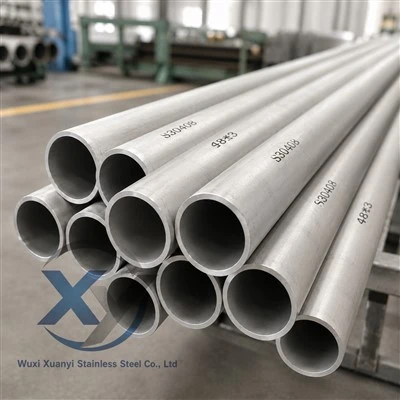
Let’s start with the basics, because even seasoned plumbers sometimes overlook the core role pipes play in plumbing design. Plumbing isn’t just about moving water—it’s about moving it safely, efficiently, and reliably from where it’s needed to where it’s not. Pipes are the conduit that makes every step of that process work. Without them, water would sit in tanks or leak across floors, sewage would back up into living spaces, and nothing would function as intended. Think of your home’s water heater: it heats water, but without pipes, that hot water can’t reach your shower, your dishwasher, or your washing machine. Or your municipal water supply: treatment plants purify water, but they need miles of underground pipes to carry it to every neighborhood, school, and hospital.
What makes pipes more than just simple tubes is their ability to adapt to different jobs, and that’s where their importance becomes obvious. Early plumbing relied on materials like clay, lead, or even hollowed-out logs, which worked for their time but had major flaws. Today, we offer pipes made from PVC, PEX, copper, and CPVC, each designed for specific tasks—and that specificity is critical. For example, PVC pipe is perfect for draining sewage because it’s corrosion-resistant and inexpensive, making it ideal for long underground runs. PEX pipe, on the other hand, is flexible, so it’s great for indoor water supply lines in homes, where it can bend around corners without fitting joints that often leak. Copper pipe is still the go-to for commercial buildings because it withstands high pressure and extreme temperatures, making it reliable for large-scale use. I’ve had customers come to me after choosing the wrong pipe—like someone who tried to use PVC for hot water lines, which softened and leaked after a year—so it’s not just that pipes exist; it’s that the right pipe for the right job prevents costly, dangerous problems.
One of the most underrated benefits of modern pipes is their ability to promote health and safety, which is a huge part of why plumbing has evolved to become so critical for public well-being. In the 19th century, cities without proper pipe systems saw frequent outbreaks of cholera and typhoid, because raw sewage would mix with drinking water. The development of separate supply and drainage pipes changed that entirely, creating sanitary systems that keep contaminated water away from clean water. Today, regulations mandate that pipes for drinking water meet strict standards—lead-free materials, for example, which was a major issue in older homes before we switched to copper and PEX. As a supplier, we test every pipe we carry to ensure it complies with those standards, because a pipe that leaches harmful chemicals doesn’t just damage a plumbing system—it endangers the people using it. That health tie-in is why pipes matter beyond just convenience; they’re a public health tool, and without well-made, well-installed pipes, communities would face ongoing health crises.
Efficiency is another area where pipes’ importance shines, especially as we all work to reduce energy and water waste. Old pipe systems with narrow diameters or corroded walls slow water flow, meaning appliances like washing machines and dishwashers have to work harder to get enough water, wasting both energy and time. Modern pipes are designed for consistent flow: for example, PEX’s smooth interior reduces friction, so water moves faster through supply lines, cutting down on the energy needed to pump it. For drainage, properly sized pipes prevent clogs—something I hear about from customers all the time. A pipe that’s too small for a shower drain, for instance, will back up with hair and soap scum, leading to water damage and the cost of a plumber’s visit. On a larger scale, municipal pipe systems that are well-maintained lose far less water to leaks than outdated ones. The Environmental Protection Agency estimates that the U.S. loses about 6 billion gallons of water daily to pipe leaks, which is enough to supply 50 million homes. That’s a waste of a vital resource, and it all starts with the pipes themselves.
I’ve also seen how pipes adapt to new construction and retrofit needs, which makes them essential for both old and new buildings. When I first started in this business, most homes had rigid copper or galvanized steel pipes, which were hard to install and often required cutting and soldering. Now, flexible pipes like PEX let plumbers install supply lines in a fraction of the time, cutting labor costs for homeowners. For older buildings that need retrofits—like adding a new bathroom or upgrading a kitchen’s plumbing—flexible pipes make it possible to work in tight spaces without tearing out entire walls. Even in large commercial projects, pipes have to accommodate things like fire suppression systems, which rely on high-pressure pipes to deliver water quickly to put out fires. Without fire sprinkler pipes, buildings would be far more vulnerable to catastrophic fire damage. I’ve worked with several contractors on school and hospital projects, and the need to comply with fire code requirements makes choosing the right pipe non-negotiable there.
Of course, no discussion of pipes’ importance would be complete without talking about their role in preventing property damage. A burst pipe is one of the most common plumbing emergencies, and it can cause thousands of dollars in damage in just a few hours. Last year, a customer of mine in a 100-year-old home came to us after a frozen copper pipe burst in their basement, flooding their living room and ruining furniture. That could have been avoided with a better pipe material—copper, while durable, can crack in extreme cold, whereas PEX is more flexible and less likely to burst. That’s why we educate our customers on the right pipes for their climate: in cold regions, we recommend pipes that resist freezing, while in warmer climates, we focus on corrosion-resistant materials. As a supplier, part of our job is not just to sell pipes, but to help people choose options that will protect their homes. A well-chosen, well-installed pipe is an investment that prevents far bigger costs down the line.
Now, I know some people might ask: “Pipes are just tubes, right? Why all the fuss?” But that’s the mistake so many make—looking at a pipe as a simple, disposable part instead of a core component of plumbing. Plumbing systems don’t rely on taps, toilets, or water heaters alone; they rely on the network of pipes that connect every part. A tap doesn’t work without a pipe bringing water to it, and a toilet can’t flush without a pipe carrying waste away. It’s like a body’s circulatory system: the heart (water heater) doesn’t do much without veins and arteries (pipes) carrying blood (water) to every part. Without pipes, the entire system falls apart.
I’ve been in this industry long enough to see how often small pipe choices lead to big problems, and how the right pipes make life easier. For homeowners, that means avoiding costly repairs and keeping their water safe. For contractors, it means finishing jobs on time and on budget. For municipalities, it means protecting public health and conserving resources. Pipes aren’t flashy—they don’t have knobs or buttons, and you barely notice them when they’re working. But when something goes wrong, you notice them instantly. That’s why they’re so important: they’re the quiet, reliable foundation that makes all other plumbing functions possible.

If you’re planning a plumbing project, whether it’s a home renovation, a commercial build, or a system retrofit, the pipe you choose will make all the difference. Choosing the wrong material or size can lead to leaks, clogs, or safety issues down the line, while the right pipe ensures your system works for years to come. We work with homeowners, plumbers, and contractors to understand their specific needs, whether that’s a flexible PEX run for a bathroom remodel or a heavy-duty copper line for a commercial building. We offer a range of materials, sizes, and types, all tested to meet industry standards for safety, durability, and performance. Don’t leave your plumbing system to chance—work with a supplier that knows the ins and outs of pipes, because the right choice here saves time, money, and stress in the long run. Reach out to our team to discuss your pipe needs, and we’ll help you find the right solution for your project.
Stainless Steel Welded Pipes and Tubes References
Plumbing-Heating-Cooling Contractors Association. (2022). National Plumbing Code Handbook.
U.S. Environmental Protection Agency. (2021). Drinking Water Infrastructure and Leak Reduction.
International Code Council. (2023). International Residential Code for One- and Two-Family Dwellings.
Copper Development Association. (2020). Copper Pipe Performance in Plumbing Systems.
Plastic Pipe Institute. (2022). PEX and PVC Pipe Applications in Modern Plumbing.
Wuxi Xuanyi Stainless Steel Co., Ltd.
Wuxi Xuanyi Stainless Steel Co., Ltd. is one of the most professional pipe manufacturers and suppliers in China. With abundant experience, we warmly welcome you to wholesale bulk durable pipe made in China here from our factory. If you have any enquiry about cooperation, please feel free to email us.
Address: 1207-1208, Building 11, Shengang Metropolis Plaza, No. 299 Fangcheng Avenue, Xinwu District, Wuxi City,China.
E-mail: jscherryxy@163.com
WebSite: https://www.xuanyisteel.com/
