Hey there! I’m a wok supplier, and I’m super stoked to share with you how to use a wok for making curries. Curries are a delicious and versatile dish that can be customized to your taste, and a wok is the perfect tool to bring out the best flavors. Wok

Why a Wok?
First off, let’s talk about why a wok is so great for making curries. Woks have a unique shape that tapers down to a point at the bottom. This shape allows for intense heat concentration, which is crucial for stir – frying and sautéing the ingredients quickly. When making curries, you want to cook the spices and vegetables fast to lock in their flavors and nutrients.
The curved sides of the wok also make it easy to toss and turn the ingredients. You can move everything around with a single motion, which is not only efficient but also helps in evenly cooking the curry. Plus, woks are usually made of materials like carbon steel or cast iron, which are excellent conductors of heat. This means that your curry will cook evenly and won’t burn easily.
Preparing Your Wok
Before you start making your curry, you need to prepare your wok. If you’ve just bought a new wok, it’s likely that it has a protective coating on it. You’ll need to remove this coating. Start by washing the wok with hot, soapy water to get rid of any dirt or debris. Then, dry it thoroughly.
Next, heat the wok on high heat until it starts to smoke. Pour in a little bit of oil and use a paper towel to spread it all over the inside of the wok. Keep heating the wok for a few more minutes, then turn off the heat and let it cool. This process, called seasoning, helps to prevent food from sticking to the wok and gives it a non – stick surface.
Ingredients for a Basic Curry
Now, let’s talk about the ingredients you’ll need for a basic curry. You’ll need some onions, garlic, ginger, and a variety of spices. Common spices for curries include cumin, coriander, turmeric, and chili powder. You can also add some fresh herbs like cilantro or mint for extra flavor.
For the protein, you can use chicken, beef, lamb, or even tofu if you’re vegetarian. You’ll also need some vegetables like bell peppers, carrots, and potatoes. And of course, you’ll need a can of coconut milk to give your curry a creamy texture.
Making the Curry
Okay, let’s get cooking! Heat your seasoned wok on high heat. Once it’s hot, add a little bit of oil. You can use vegetable oil, olive oil, or even ghee if you prefer.
Chop up your onions and add them to the wok. Stir – fry the onions until they’re translucent. This usually takes about 3 – 4 minutes. Then, add the garlic and ginger. Keep stirring for another minute or so until the garlic and ginger start to release their aroma.
Now it’s time to add the spices. Sprinkle in the cumin, coriander, turmeric, and chili powder. Stir the spices around in the wok for about a minute to toast them. Toasting the spices helps to bring out their flavors.
If you’re using meat, cut it into small pieces and add it to the wok. Cook the meat until it’s browned on all sides. If you’re using tofu, add it now and stir – fry it for a few minutes until it starts to get crispy.
Next, add the vegetables. You can add them all at once or in stages, depending on how long they take to cook. Bell peppers and carrots will take a little longer, while potatoes might need to be cooked for a bit more. Keep stirring the vegetables in the wok to make sure they cook evenly.
Once the vegetables are starting to soften, pour in the can of coconut milk. Stir everything well to combine the ingredients. You can also add a little bit of water if the curry is too thick.
Let the curry simmer for about 15 – 20 minutes, stirring occasionally. This will allow the flavors to meld together and the vegetables to become tender.
Serving the Curry
When the curry is ready, it’s time to serve it. You can serve it with rice, naan bread, or even some steamed vegetables. Garnish the curry with some fresh cilantro or mint for a pop of color and extra flavor.
Tips and Tricks
- Adjust the Spices: Don’t be afraid to adjust the spices according to your taste. If you like it spicier, add more chili powder. If you prefer a milder curry, reduce the amount of chili.
- Use Fresh Ingredients: Fresh ingredients will always taste better. Try to use fresh onions, garlic, and ginger, and buy your spices from a reputable source.
- Clean Your Wok Properly: After you’re done cooking, let the wok cool down. Then, wash it with hot, soapy water and dry it thoroughly. You can also re – season the wok every few months to keep it in good condition.
Conclusion
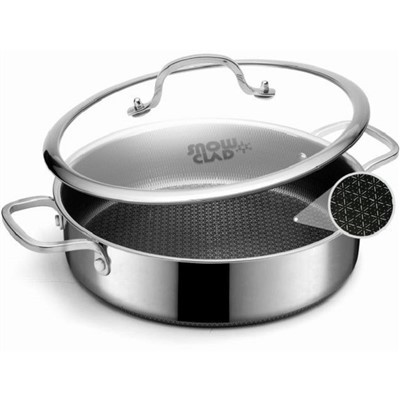
Using a wok for making curries is a great way to create delicious, authentic – tasting dishes. The unique shape and properties of the wok make it the perfect tool for cooking curries quickly and evenly. Whether you’re a beginner or an experienced cook, you’ll find that making curries in a wok is a fun and rewarding experience.
Baking Pan If you’re interested in getting your hands on a high – quality wok for making curries or other dishes, I’d love to chat with you. We have a wide range of woks available in different sizes and materials. Just reach out, and we can discuss your needs and find the perfect wok for you.
References
- "The Wok: Recipes and Techniques" by Grace Young
- "Curry: A Global History" by Colleen Taylor Sen
Zhejiang Nanyue Kitchenware Co., Ltd.
We’re well-known as one of the leading wok manufacturers and suppliers in China, also support customized service. Please feel free to buy high quality wok made in China here and get pricelist from our factory. For price consultation, contact us.
Address: Located inside Zhejiang Jialiyuan Industry and Trade Co., Ltd. (Nanyue Kitchenware) in Jiangbin Industrial Zone, Tongqin Town, Wuyi County, Zhejiang Province.
E-mail: nanyuekitchenware@zj-jlypans.com
WebSite: https://www.nanyuecook.com/
