When it comes to textile weaving, two prominent types that often catch the eye of designers, manufacturers, and consumers alike are the 3/3 twill weave and the satin weave. As a supplier of 3/3 twill weave fabrics, I’ve had the privilege of witnessing firsthand the unique characteristics and applications of this particular weave. In this blog, I’ll delve into a detailed comparison between the 3/3 twill weave and the satin weave, exploring their differences in structure, appearance, performance, and more. 3 3 Twill Weave
Structure
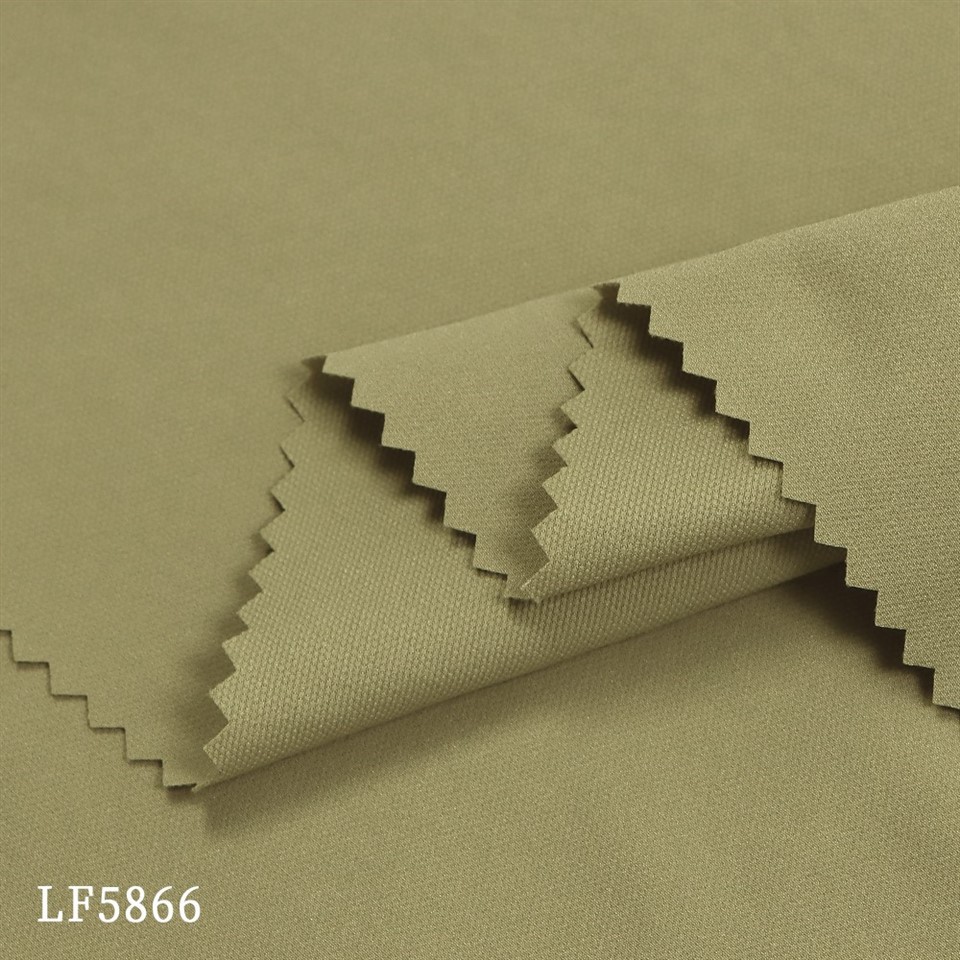
The structure of a fabric is the foundation that determines many of its other properties. The 3/3 twill weave is a balanced twill construction. In a 3/3 twill, each warp yarn passes over three weft yarns and then under three weft yarns, creating a distinct diagonal pattern on the fabric surface. This pattern repeats across the fabric, giving it a regular and consistent look. The diagonal lines are relatively steep, which is a characteristic feature of twill weaves.
On the other hand, the satin weave has a very different structure. Satin is characterized by long floats of warp or weft yarns on the fabric surface. In a typical satin weave, a warp yarn floats over several weft yarns (or vice versa) before interlacing. This results in a smooth and lustrous surface with minimal visible interlacing points. The float length in satin weaves is much longer compared to the 3/3 twill weave, which contributes to its unique appearance and feel.
Appearance
One of the most noticeable differences between the 3/3 twill weave and the satin weave is their appearance. The 3/3 twill has a textured and rugged look due to its diagonal pattern. The diagonal lines add a sense of movement and depth to the fabric, making it visually interesting. It has a more casual and utilitarian appearance, which is why it is often used in workwear, denim, and some types of upholstery.
In contrast, the satin weave is known for its luxurious and smooth appearance. The long floats on the surface create a high – sheen finish that reflects light beautifully. Satin fabrics have a soft and elegant look, making them a popular choice for formal wear, lingerie, and high – end bedding. The lack of visible interlacing gives satin a more refined and sophisticated appearance compared to the 3/3 twill.
Hand Feel
The hand feel of a fabric is another important aspect to consider. The 3/3 twill weave has a firm and substantial hand. The diagonal structure gives it a certain amount of stiffness, which can be beneficial in applications where the fabric needs to hold its shape. It has a slightly rough texture due to the interlacing of the yarns, but this also provides a good grip, making it suitable for items like work gloves.
Satin, on the other hand, has a very soft and slippery hand feel. The long floats on the surface allow the fabric to glide smoothly over the skin, which is one of the reasons it is so popular in lingerie and nightwear. However, this slippery nature can also make it more difficult to handle during sewing and manufacturing processes.
Durability
Durability is a crucial factor, especially for fabrics that will be subjected to regular use. The 3/3 twill weave is generally quite durable. The balanced structure and the relatively short floats mean that the yarns are well – interlaced, which helps to prevent fraying and tearing. The diagonal pattern also distributes stress evenly across the fabric, making it more resistant to wear and abrasion. This is why 3/3 twill is commonly used in heavy – duty applications such as work pants and upholstery for high – traffic areas.
Satin, while it can be made from strong fibers, is generally less durable than 3/3 twill. The long floats on the surface are more prone to snagging and abrasion. If a satin fabric is caught on a sharp object, the long floats can easily be pulled out, causing runs and damage to the fabric. However, the durability of satin can be improved by using high – quality fibers and proper finishing techniques.
Breathability
Breathability is an important consideration, especially for fabrics used in clothing. The 3/3 twill weave has relatively good breathability. The interlacing of the yarns creates small air pockets within the fabric, which allows air to circulate. This makes it a comfortable choice for clothing, especially in warm weather or for active wear.
Satin, on the other hand, is typically less breathable. The smooth and dense surface of satin restricts air flow, which can make it feel hot and sticky when worn for long periods. However, some satin fabrics made from natural fibers like silk can have better breathability compared to those made from synthetic fibers.
Drapability
Drapability refers to how a fabric hangs and flows. The 3/3 twill weave has a moderate drapability. The diagonal structure gives it a certain amount of stiffness, but it can still drape well, especially when used in lighter weights. It is suitable for applications where a more structured drape is desired, such as in tailored clothing.
Satin is known for its excellent drapability. The smooth and slippery surface allows the fabric to flow gracefully, creating beautiful folds and curves. This makes it ideal for flowing dresses, evening gowns, and other items where a soft and flowing drape is required.
Color and Printability
In terms of color and printability, both weaves have their own advantages. The 3/3 twill weave can hold colors well. The textured surface can give the colors a more depth and richness. It is also suitable for a variety of printing techniques, including screen printing and digital printing. The diagonal pattern can add an interesting visual element to printed designs.
Satin, with its smooth surface, can produce very vibrant and sharp prints. The high – sheen finish enhances the colors, making them look more vivid. However, printing on satin can be more challenging due to its slippery nature. Special printing techniques may be required to ensure good adhesion of the ink.
Cost
Cost is always a factor in the decision – making process. The 3/3 twill weave is generally more cost – effective compared to satin. The production process of 3/3 twill is relatively straightforward, and it can be made from a variety of fibers, including cotton, polyester, and blends. This makes it a more affordable option for a wide range of applications.
Satin, on the other hand, is often more expensive. The production of satin requires more complex weaving techniques, and it is often made from high – quality fibers such as silk or fine synthetic fibers. The luxurious appearance and feel of satin also contribute to its higher cost.
Applications
The differences in the properties of the 3/3 twill weave and the satin weave lead to different applications. The 3/3 twill is commonly used in workwear, such as jeans, overalls, and work shirts. Its durability, breathability, and firm hand make it suitable for tough working conditions. It is also used in upholstery for furniture, especially in areas where durability is important.
Satin is mainly used in formal wear, such as evening gowns, wedding dresses, and tuxedo shirts. Its luxurious appearance and excellent drapability make it a perfect choice for special occasions. It is also used in lingerie, bedding, and some types of decorative fabrics.
Jacqurard Woven Fabric In conclusion, both the 3/3 twill weave and the satin weave have their own unique characteristics and advantages. The 3/3 twill is a practical and durable option, while the satin is a luxurious and elegant choice. As a supplier of 3/3 twill weave fabrics, I can offer a wide range of options in terms of fiber content, color, and weight to meet the diverse needs of my customers. If you are interested in exploring the possibilities of 3/3 twill weave for your next project, I encourage you to reach out to me for a detailed discussion and to start the procurement process.
References
- Textile Science and Technology: Fundamentals of Yarn and Fabric Engineering by J. E. Booth
- Handbook of Textile Fibre Structure, Volume 2: Natural Fibres by R. M. Hearle
- The Technology of Textile Yarns by W. E. Morton and J. W. S. Hearle
Shaoxing Huichao Textile Co., Ltd.
As one of the most professional 3 3 twill weave manufacturers and suppliers in China, we offer a wide range of products with superior quality. We warmly welcome you to wholesale bulk 3 3 twill weave in stock here from our factory. If you have any enquiry about cooperation, please feel free to email us.
Address: Shenyue International Build ing, Unit 1603-1605, Keqiao District, Shaoxing City, Zhejiang Province, China
E-mail: darrenzhong@huichaotextile.com
WebSite: https://www.huichaotextile.com/
