Is a 24V Lithium Battery Safe? 24v Lithium Battery

As a supplier of 24V lithium batteries, I often get asked about the safety of these power – storing devices. It’s an important question, considering that lithium batteries have become ubiquitous in various applications, from electric vehicles to portable electronics and renewable energy systems. In this blog, I’ll delve into the safety aspects of 24V lithium batteries, exploring their design, potential risks, and the safety measures in place to mitigate those risks.
Understanding the Basics of 24V Lithium Batteries
First, let’s understand what a 24V lithium battery is. Lithium batteries use lithium ions as the main charge carriers during the charging and discharging process. A 24V lithium battery typically consists of multiple lithium – ion cells connected in series to achieve the desired voltage. These batteries are favored for their high energy density, long cycle life, and relatively low self – discharge rate compared to other battery chemistries like lead – acid batteries.
The high energy density of 24V lithium batteries means they can store a large amount of energy in a relatively small and lightweight package. This makes them ideal for applications where space and weight are critical factors, such as in electric bicycles, small boats, and off – grid solar power systems. However, this high energy density also poses some safety challenges.
Potential Risks Associated with 24V Lithium Batteries
Thermal Runaway
One of the most significant risks associated with lithium batteries is thermal runaway. Thermal runaway occurs when the temperature inside the battery rises uncontrollably, leading to a chain reaction that can cause the battery to overheat, catch fire, or even explode. This can be triggered by several factors, including overcharging, short – circuiting, physical damage to the battery, or exposure to high temperatures.
When a lithium battery is overcharged, the excess energy causes the lithium ions to move too quickly, which can lead to the formation of lithium metal dendrites. These dendrites can pierce the separator between the battery’s electrodes, causing a short – circuit and generating heat. Once the heat generation rate exceeds the heat dissipation rate, thermal runaway can occur.
Overcharging and Over – discharging
Overcharging a 24V lithium battery can not only lead to thermal runaway but also damage the battery’s electrodes and reduce its lifespan. On the other hand, over – discharging a lithium battery can cause irreversible damage to the battery’s electrochemical structure. When a lithium battery is over – discharged, the voltage drops below a certain threshold, which can lead to the degradation of the active materials in the battery and the formation of metallic lithium on the anode.
Physical Damage
Physical damage to a 24V lithium battery, such as puncturing, crushing, or bending, can also pose a serious safety risk. If the battery’s casing is damaged, the internal components can be exposed to air and moisture, which can cause a chemical reaction and potentially lead to a fire or explosion. Additionally, physical damage can cause the electrodes to come into contact with each other, resulting in a short – circuit.
Safety Measures in 24V Lithium Batteries
Battery Management System (BMS)
A Battery Management System is essential for the safe operation of 24V lithium batteries. The BMS monitors and controls various parameters of the battery, such as voltage, current, and temperature. It prevents overcharging and over – discharging by disconnecting the battery from the charging source or the load when the voltage reaches the predefined limits.
The BMS also balances the charge among the individual cells in the battery pack. Since lithium – ion cells can have slightly different capacities and characteristics, balancing ensures that all cells are charged and discharged evenly, which helps to extend the battery’s lifespan and improve its safety.
Thermal Management
To prevent thermal runaway, 24V lithium batteries are often equipped with thermal management systems. These systems can include heat sinks, cooling fans, or liquid cooling systems, depending on the application. The thermal management system helps to dissipate heat from the battery and maintain an optimal operating temperature.
For example, in some high – power applications, such as electric vehicles, the battery pack is designed with a liquid cooling system that circulates a coolant through channels in the battery pack to absorb and carry away the heat generated during charging and discharging.
Safety Features in Battery Design
Battery manufacturers incorporate several safety features in the design of 24V lithium batteries. For instance, the battery’s casing is usually made of a sturdy and flame – retardant material to prevent the spread of fire in case of a thermal event. Additionally, the electrodes are coated with a protective layer to prevent the formation of dendrites and reduce the risk of short – circuits.
Industry Standards and Regulations
The lithium battery industry is subject to strict safety standards and regulations. These standards ensure that 24V lithium batteries are designed, manufactured, and tested to meet certain safety requirements. For example, the International Electrotechnical Commission (IEC) has developed standards for lithium – ion batteries, such as IEC 62619 and IEC 62620. These standards cover aspects such as electrical safety, mechanical safety, and thermal safety of lithium – ion batteries.
In addition to international standards, there are also national and regional regulations that govern the use and transportation of lithium batteries. These regulations help to ensure that 24V lithium batteries are handled and used safely throughout their lifecycle.
Real – World Safety Record
Despite the potential risks, the real – world safety record of 24V lithium batteries is generally quite good. Thanks to the implementation of safety measures such as BMS, thermal management systems, and strict industry standards, the incidence of safety incidents involving lithium batteries is relatively low.
In fact, lithium batteries have become the preferred choice for many applications precisely because of their high energy density and relatively good safety performance. For example, in the electric vehicle industry, lithium – ion batteries have proven to be a reliable and safe power source, with millions of electric vehicles on the roads around the world operating without major safety issues.
Our Commitment to Safety as a Supplier
As a 24V lithium battery supplier, safety is our top priority. We source our batteries from manufacturers that adhere to the highest safety standards and regulations. Our batteries are thoroughly tested at every stage of the production process to ensure that they meet or exceed the required safety criteria.
We also provide comprehensive technical support to our customers to ensure that they use our 24V lithium batteries safely and correctly. Our team of experts can assist customers with battery installation, maintenance, and troubleshooting, and we offer training programs to educate customers about the proper handling and use of lithium batteries.
Conclusion
In conclusion, 24V lithium batteries can be safe when designed, manufactured, and used correctly. While there are potential risks such as thermal runaway, overcharging, and physical damage, these risks can be effectively mitigated through the use of safety measures such as Battery Management Systems, thermal management systems, and proper battery design.
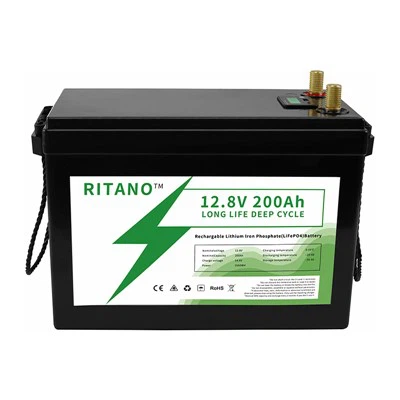
The industry’s strict safety standards and regulations also play a crucial role in ensuring the safety of 24V lithium batteries. As a supplier, we are committed to providing our customers with high – quality, safe 24V lithium batteries and the support they need to use them safely.
Wall Mounted Battery If you are in the market for 24V lithium batteries, we encourage you to contact us to discuss your specific requirements. Our team of experts can help you find the right battery solution for your application and ensure that you have a safe and reliable power source.
References
- IEC 62619: Secondary cells and batteries containing alkaline or other non – acid electrolytes – Safety requirements for secondary lithium batteries and batteries systems for use in industrial applications.
- IEC 62620: Secondary cells and batteries containing alkaline or other non – acid electrolytes – Secondary lithium cells and batteries for use in portable applications and their safety requirements.
Dongguan Ritano New Energy Co., Ltd.
With abundant experience, we are one of the most reliable 24v lithium battery manufacturers and suppliers in China. We warmly welcome you to wholesale customized 24v lithium battery made in China here from our factory. If you have any enquiry about quotation, please feel free to email us.
Address: Building 27, Jewelry Park, Huanchang North Road, Changping Town, Dongguan City, Guangdong Province
E-mail: Umi.sales@ritano.cn
WebSite: https://www.ritanopower.com/
