Hey there! I’m a supplier of check valves, and today I wanna chat about what it takes for a check valve to work well in a sewage system. Sewage systems are no joke – they deal with all kinds of gross stuff, and a good check valve is crucial to keep things running smoothly. Check Valve
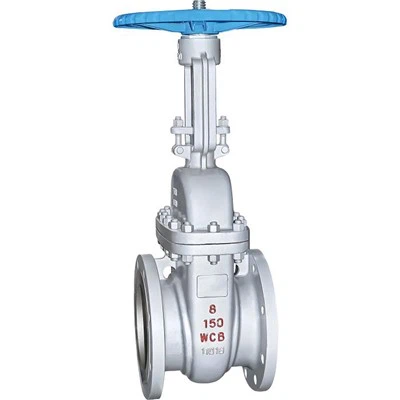
1. Durability and Material
First off, durability is key. Sewage is a harsh environment. It’s full of all sorts of corrosive substances, like acids from industrial waste and chemicals from household cleaners. So, the check valve needs to be made from materials that can stand up to this abuse.
Stainless steel is a popular choice. It’s strong, resistant to corrosion, and can handle the high pressures often found in sewage pipes. For less demanding systems or where cost is a big factor, PVC (polyvinyl chloride) can also work. PVC is lightweight, easy to install, and has decent chemical resistance. But it might not be as tough as stainless steel in the long run, especially in high – stress situations.
Another option is ductile iron. It’s got great strength and can handle heavy loads. Ductile iron check valves are often coated to improve their corrosion resistance even further. They’re a solid choice for larger sewage systems where the pressures are higher and the volume of sewage is greater.
We’ve found that using high – quality materials not only makes the check valves last longer but also reduces the need for frequent replacements. That saves our customers time and money over the life of the system.
2. Sealing Performance
A good seal is essential in a sewage system. You don’t want any leaks, because sewage leaks are a huge health hazard. The check valve should be able to close tightly to prevent backflow of sewage when the flow direction changes.
The design of the sealing mechanism is important. Some check valves use a simple flap or disc that swings shut when the flow reverses. These are relatively inexpensive and easy to maintain, but they might not provide the tightest seal. For more demanding applications, you might see piston – type or diaphragm – type check valves. These can offer better sealing performance, especially at higher pressures.
We test our check valves thoroughly to ensure that they meet strict sealing standards. We use water and air pressure tests to simulate real – world conditions and make sure that there are no leaks. This gives our customers the peace of mind that their sewage system will operate safely and efficiently.
3. Flow Capacity
The check valve needs to be able to handle the volume of sewage flowing through the system. If the valve is too small, it can cause blockages and backflow problems. On the other hand, if it’s too big, it can be more expensive and might not operate as effectively.
To determine the right flow capacity, we need to consider factors like the size of the sewage pipes, the peak flow rates, and the type of sewage. For example, a commercial sewage system in a big building will have much higher flow rates compared to a residential system. We work closely with our customers to understand their specific requirements and recommend the appropriate check valve size.
In addition to the physical size of the valve, the internal design also affects the flow capacity. Valves with a streamlined design and a large opening area will allow sewage to flow more freely, reducing the risk of blockages.
4. Ease of Installation and Maintenance
Let’s face it, nobody wants to spend hours installing or maintaining a check valve. That’s why ease of installation and maintenance is an important factor.
Our check valves are designed to be as simple to install as possible. We provide clear instructions and often include all the necessary hardware. Many of our valves can be installed in a matter of hours, even by someone with basic plumbing skills.
When it comes to maintenance, we know that sewage systems can be messy. So, our check valves are designed with easy – access parts. For example, some of our valves have removable covers that allow for quick inspection and cleaning. This helps to prevent blockages and extends the life of the valve.
We also offer maintenance support and training to our customers. We want to make sure that they have all the knowledge and resources they need to keep their check valves in top condition.
5. Resistance to Clogging
Sewage is full of all kinds of solids, from hair and food scraps to small pieces of debris. A good check valve needs to be able to resist clogging.
We’ve designed our check valves with features that help prevent clogs. For example, some of our valves have a large opening area to allow solids to pass through more easily. Others have self – cleaning mechanisms that help to dislodge any debris that might get stuck.
We also recommend regular maintenance and inspection to keep an eye on the valve’s performance. By catching any potential clogging problems early, we can prevent major issues from occurring and keep the sewage system running smoothly.
6. Compatibility with Other Components
A sewage system is made up of many different components, like pipes, pumps, and other valves. The check valve needs to be compatible with these other parts.
For example, the size and connection type of the check valve need to match the pipes in the system. We offer a wide range of connection options, including flanged, threaded, and wafer – style connections, to ensure compatibility with different pipe systems.
The check valve also needs to work well with other valves and pumps in the system. We take these factors into account when designing our valves to make sure that they integrate seamlessly with the overall sewage system.
Why Choose Our Check Valves?
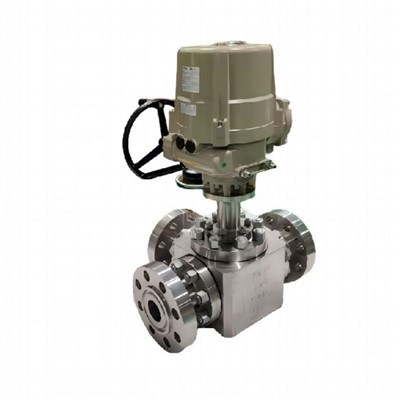
We’ve put a lot of time and effort into developing check valves that meet all these requirements. Our valves are made from high – quality materials, have excellent sealing performance, and are easy to install and maintain. We also offer a wide range of sizes and connection types to fit different sewage systems.
Gate Valve If you’re in the market for a check valve for your sewage system, we’d love to hear from you. Whether you’re a homeowner, a contractor, or a facility manager, we can help you find the right valve for your needs. Just get in touch with us, and we’ll be happy to discuss your requirements and provide you with a quote.
References
- "Handbook of Valves and Actuators"
- "Sewage System Design and Maintenance Guide"
- "Materials for Corrosive Environments in Plumbing Systems"
Wuxi PYNOS Flow-tech Co., Ltd.
As one of the leading check valve manufacturers and suppliers in China, we offer a wide range of products with superior quality. We warmly welcome you to buy high quality check valve made in China here from our factory. We also accept customized orders.
Address: Sales Center: 7th Floor, No.19 Qingyuan RD, Wuxi City, Jiangsu Prov., China
E-mail: Info@pynosvalve.com
WebSite: https://www.pynosvalves.com/
