In the world of quality control and product validation, testing machines play a pivotal role. As a supplier of testing machines, I’ve witnessed firsthand the diverse needs of industries that rely on these sophisticated tools to ensure the safety, reliability, and performance of their products. One question that often arises is, "What is the certification for a testing machine?" This blog post aims to shed light on this crucial aspect of testing equipment. Testing Machine

Understanding the Importance of Certification
Certification serves as an assurance that a testing machine meets specific standards and requirements. It is a mark of quality, reliability, and compliance, which is essential for both manufacturers and end – users. For manufacturers, having certified testing machines is a testament to their commitment to producing high – quality products. It can enhance their reputation in the market and provide a competitive edge. On the other hand, end – users can trust that certified testing machines will provide accurate and consistent results, which are crucial for making informed decisions about product quality.
Types of Certifications
There are several types of certifications that a testing machine can obtain, depending on its intended use and the industry it serves. Here are some of the most common ones:
ISO Certification
The International Organization for Standardization (ISO) develops and publishes international standards. ISO certifications are widely recognized around the world and cover a broad range of industries and product types. For testing machines, ISO 9001 is often relevant. This certification focuses on the quality management system of the manufacturer. It ensures that the company has processes in place to design, develop, produce, install, and service testing machines in a consistent and high – quality manner.
Another important ISO standard for testing machines is ISO 17025. This standard is specific to testing and calibration laboratories. A testing machine that is used in an ISO 17025 – accredited laboratory must meet the requirements of this standard. It ensures that the laboratory has the technical competence to perform accurate and reliable tests, and that the testing machines are properly calibrated and maintained.
CE Certification
CE (Conformité Européene) is a mandatory certification for products sold in the European Economic Area (EEA). It indicates that the product meets the essential health and safety requirements set by European Union (EU) legislation. For testing machines, CE certification is crucial if they are to be sold in Europe. It involves a comprehensive assessment of the machine’s design, construction, and performance to ensure that it complies with relevant EU directives, such as the Machinery Directive and the Electromagnetic Compatibility Directive.
ASTM Certification
The American Society for Testing and Materials (ASTM) develops and publishes technical standards for a wide range of materials, products, systems, and services. ASTM certifications are widely used in the United States and other countries. Testing machines that are used to perform ASTM – compliant tests must be certified to ensure that they can accurately measure and evaluate the properties and performance of materials according to ASTM standards. For example, a universal testing machine used for testing the mechanical properties of metals must be certified to meet the requirements of relevant ASTM standards, such as ASTM E8 for tensile testing of metals.
The Certification Process
The certification process for a testing machine can be complex and time – consuming. It typically involves the following steps:
Design and Development
The manufacturer starts by designing and developing the testing machine. During this phase, the machine must be designed to meet the requirements of the relevant certification standards. This includes considerations such as safety features, accuracy, and reliability. The design should also be well – documented, including detailed drawings, specifications, and test procedures.
Testing and Calibration
Once the testing machine is built, it must undergo rigorous testing and calibration. This is to ensure that it can perform its intended functions accurately and consistently. The testing may include performance tests, safety tests, and environmental tests. Calibration is essential to ensure that the machine’s measurements are accurate. This is typically done using standard reference materials and calibrated instruments.
Documentation
The manufacturer must prepare comprehensive documentation to support the certification application. This includes technical specifications, test reports, quality management system documents, and any other relevant information. The documentation must be clear, accurate, and complete, and it should demonstrate that the testing machine meets the requirements of the certification standards.
Third – Party Assessment
In most cases, the certification process involves a third – party assessment by an accredited certification body. The certification body will review the manufacturer’s documentation, inspect the testing machine, and conduct on – site audits if necessary. They will also verify that the manufacturer’s quality management system is in place and effective. Based on their assessment, the certification body will issue a certification if the testing machine meets the requirements of the relevant standards.
Benefits of Certified Testing Machines
Accuracy and Reliability
Certified testing machines are designed and tested to provide accurate and reliable results. This is crucial for industries that rely on testing to make decisions about product quality, safety, and performance. For example, in the automotive industry, accurate testing of materials and components is essential to ensure the safety of vehicles.
Compliance with Regulations
Many industries are subject to strict regulations regarding product quality and safety. Using certified testing machines helps manufacturers to comply with these regulations. For example, medical device manufacturers must use testing machines that are certified to meet relevant standards to ensure the safety and efficacy of their products.
Enhanced Reputation
Having certified testing machines can enhance a manufacturer’s reputation in the market. It shows that the company is committed to producing high – quality products and that it takes quality control seriously. This can lead to increased customer trust and loyalty, as well as a competitive advantage over non – certified competitors.
Our Role as a Testing Machine Supplier
As a testing machine supplier, we understand the importance of certification. We are committed to providing our customers with testing machines that are certified to meet the highest standards. Our team of experts works closely with manufacturers to ensure that our machines are designed and built to comply with relevant certification requirements.
We offer a wide range of testing machines, including universal testing machines, hardness testers, impact testers, and more. All of our machines are thoroughly tested and calibrated before they are shipped to our customers. We also provide comprehensive after – sales support, including installation, training, and maintenance services.
If you are in the market for a testing machine, we encourage you to consider the certification of the machine. A certified testing machine can provide you with the confidence and peace of mind that you need to ensure the quality and reliability of your products.
Conclusion
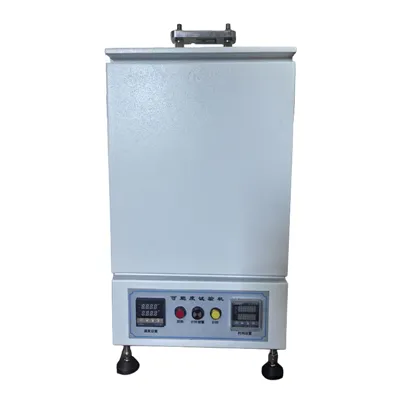
In conclusion, the certification for a testing machine is a crucial aspect that should not be overlooked. It provides assurance of quality, reliability, and compliance, which are essential for both manufacturers and end – users. There are several types of certifications available, including ISO, CE, and ASTM, each with its own specific requirements and benefits.
Testing Machine As a testing machine supplier, we are dedicated to providing our customers with certified testing machines that meet their needs. If you have any questions about our products or the certification process, please do not hesitate to contact us. We look forward to the opportunity to discuss your requirements and to help you find the right testing machine for your application.
References
- ISO 9001:2015 Quality management systems — Requirements
- ISO 17025:2017 General requirements for the competence of testing and calibration laboratories
- CE Marking Directive 2006/42/EC on machinery
- ASTM International standards for various testing methods
Yangzhou Zhengyi Testing Machinery Co., Ltd.
As one of the most professional testing machine manufacturers and suppliers in China, we warmly welcome you to buy customized testing machine at competitive price from our factory. If you have any enquiry about quotation, please feel free to email us.
Address: No. 66 Zhenxing North Road, Zhenwu Town, Jiangdu District, Yangzhou City, Jiangsu Province
E-mail: 13813156012@163.com
WebSite: https://www.cnzhengyi.com/
