Ensuring the stability of a mesh processing line during operation is paramount for both efficiency and product quality. As a supplier of mesh processing lines, I’ve witnessed firsthand the challenges that can disrupt operations and the strategies that can effectively counter them. Mesh Processing Line
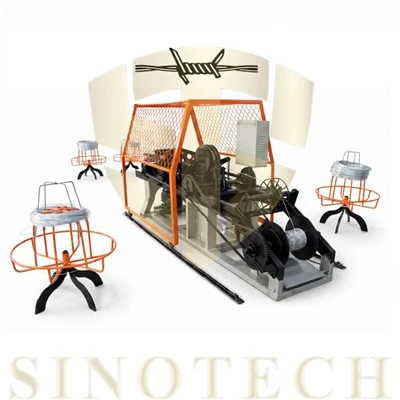
Understanding the Dynamics of Mesh Processing Lines
Mesh processing lines are complex systems that involve multiple stages, from material feeding to final product formation. These stages typically include uncoiling the raw mesh material, cutting it to the appropriate size, welding or fastening the mesh pieces if necessary, and finally, packaging the finished products. Each step in this process is interdependent, and any disruption in one stage can have a cascading effect on the entire line.
For instance, if the raw mesh material is not uncoiled smoothly, it can lead to jams in the cutting section. Similarly, inaccurate cutting can cause problems during the welding or fastening process, resulting in defective products. Therefore, a comprehensive understanding of the entire process flow is essential for maintaining stability.
Equipment Maintenance and Calibration
One of the most fundamental steps in ensuring the stability of a mesh processing line is regular equipment maintenance. This includes cleaning, lubricating, and inspecting all components of the line on a routine basis. For example, the cutting blades need to be sharpened or replaced regularly to ensure clean and precise cuts. If the blades are dull, they can tear the mesh instead of cutting it, leading to uneven edges and waste.
In addition to maintenance, equipment calibration is equally important. All sensors, motors, and control systems need to be calibrated to ensure accurate and consistent operation. For instance, the tension sensors in the uncoiling section need to be calibrated to maintain the correct tension of the mesh material. If the tension is too high, it can cause the mesh to break; if it’s too low, it can lead to slack and misalignment.
Operator Training and Skill Development
The role of operators in maintaining the stability of a mesh processing line cannot be overstated. Well – trained operators are more likely to detect and address potential issues before they escalate into major problems. Therefore, providing comprehensive training programs is crucial.
Training should cover all aspects of the mesh processing line, including equipment operation, safety procedures, and basic troubleshooting. Operators should be taught how to read and interpret control panel displays, perform routine maintenance tasks, and identify signs of equipment malfunction.
Moreover, promoting skill development through continuous learning opportunities can enhance operators’ ability to handle complex situations. For example, offering advanced training courses on new technologies or process improvements can keep operators updated and better equipped to manage the line effectively.
Quality Control of Raw Materials
The quality of raw materials used in the mesh processing line has a direct impact on the stability of the operation. Inferior quality mesh materials may contain defects such as uneven thickness, weak spots, or impurities, which can cause problems during processing.
As a supplier, we work closely with our customers to ensure they source high – quality raw materials. We can provide guidance on selecting reliable suppliers and help customers establish quality control measures for incoming raw materials. For example, conducting regular inspections and tests on the raw mesh, such as checking its tensile strength, thickness uniformity, and surface finish, can help identify potential issues before they enter the processing line.
Process Optimization and Monitoring
Continuous process optimization is essential for ensuring the stability of a mesh processing line. This involves analyzing the operation data to identify bottlenecks, inefficiencies, and areas for improvement. For example, by monitoring the production speed, reject rate, and energy consumption of the line, we can identify patterns and trends that may indicate problems.
Advanced monitoring systems can be installed to collect real – time data from various components of the line. These systems can use sensors to measure parameters such as temperature, pressure, and vibration, and send alerts to operators or maintenance personnel if any parameters deviate from the normal range.
Based on the data analysis, process adjustments can be made to improve the stability and efficiency of the line. This may include adjusting the production speed, changing the cutting parameters, or optimizing the feeding process.
Contingency Planning
Despite all the preventive measures, unexpected situations can still occur during the operation of a mesh processing line. Therefore, having a contingency plan in place is essential to minimize the impact of disruptions.
The contingency plan should include procedures for dealing with equipment breakdowns, power outages, and raw material shortages. For example, in the event of an equipment breakdown, the plan should specify how to quickly isolate the faulty component, perform emergency repairs, or switch to a backup system if available.
In addition, maintaining an inventory of critical spare parts can reduce the downtime caused by equipment failures. We can assist our customers in developing a spare parts management plan based on the specific requirements of their mesh processing lines.
Supplier – Customer Collaboration
As a mesh processing line supplier, we believe in building strong partnerships with our customers. Our success is closely tied to the success of our customers’ operations. Therefore, we offer comprehensive after – sales support, including technical assistance, maintenance training, and spare parts supply.
We also encourage our customers to provide feedback on the performance of our mesh processing lines. This feedback helps us identify areas for improvement and develop new solutions to meet their evolving needs. By working together, we can ensure the long – term stability and efficiency of their mesh processing operations.
Conclusion
Ensuring the stability of a mesh processing line during operation is a multi – faceted challenge that requires a combination of equipment maintenance, operator training, quality control, process optimization, contingency planning, and supplier – customer collaboration. By implementing these strategies, our customers can minimize disruptions, improve product quality, and increase their overall production efficiency.
Nail Processing Line If you’re in the market for a reliable mesh processing line or looking to enhance the stability of your existing operation, we’d love to have a conversation with you. Our team of experts is ready to provide you with customized solutions and support to meet your specific requirements. Contact us to start a discussion about your mesh processing needs and let’s work together to achieve your production goals.
References
- Smith, J. (2018). Industrial Equipment Maintenance Best Practices. Publisher: Industrial Press.
- Brown, A. (2020). Quality Control in Manufacturing Processes. Publisher: Manufacturing Insights.
- Johnson, M. (2019). Process Optimization for Continuous Production Lines. Publisher: Production Efficiency Press.
Sinotech Fasteners Industry Co., Ltd.
With abundant experience, we are one of the most professional mesh processing line manufacturers in China. Please feel free to buy customized mesh processing line at competitive price from our factory. Welcome to contact us for quotation.
Address: No. 7, North of Bantang Avenue, Huashan Industrial Park, Chaohu Economic Development Zone, Hefei City, Anhui Province, China
E-mail: ryan@sinotechfasteners.com
WebSite: https://www.sinotech-fasteners.com/
