Hey guys, let’s cut to the chase—if you’ve ever scrolled through boat listings or wandered a marina and heard someone yell “trawler” vs. “fishing boat,” you might’ve thought, “Isn’t that the same thing?” Spoiler: Nope. I’ve been selling trawlers for over 10 years now, and I still get questions like this at the dock or in my inbox. Today, I’m gonna break it down like we’re hanging out over a cold soda after a long day on the water—no fancy jargon, no stuffy marine textbooks, just the real difference. Trawlers

First off, let’s get one thing straight: every trawler is technically a boat, but not every fishing boat is a trawler. That’s the basics, but there’s so much more to it than that. Let’s start with what a fishing boat actually is. A fishing boat is, well, built to catch fish. Plain and simple. Whether it’s a tiny aluminum skiff with a rod holder for weekend crabbing, a medium-sized charter boat that takes people out for deep-sea tuna, or a big, bulky vessel with nets dragging behind it—its whole reason for existing is the catch.
Now, I’ve seen all kinds of fishing boats in my time. The little ones, like the 16-foot center console that my cousin uses to pull crabs in Chesapeake Bay—they’re quick, they maneuver like crazy, and they’re made to dart around spots where the fish are biting. The bigger commercial ones? Those are built for hauling in massive nets, storing tons of catch, and staying out at sea for weeks at a time. But here’s the thing: even the biggest commercial fishing boat is designed around one job—catching fish. Every inch of space is either for gear, for holding the catch, or for the crew doing the fishing.
Trawlers, on the other hand? They’re a whole different breed. When most people hear “trawler,” they picture those big, slow, sturdy boats that people live on or cruise around the coasts. But wait—there’s a misconception there, too. A trawler isn’t just a big boat that looks like a mobile home. The name actually comes from the trawling design they use for their hulls. They’re built for efficiency over long distances, not for speed. Unlike a fishing boat that might zoom 20 knots to a hot spot, a trawler cruises at like 7 to 10 knots. Why? Because they’re made to go far, use less fuel, and stay out longer without needing to refuel.
Let’s talk about how they’re used, ‘cause that’s where the lines get super clear. A fishing boat’s primary mission is fishing. Even if it has a tiny cabin for sleeping, that’s just a place for the crew to crash between hauls. A trawler? Its primary mission is being a vessel that can travel, live on, and if you really want, do a little fishing on the side. I’ve sold trawlers to people who want to cruise from Florida to Maine over the summer—they bring their rods, sure, but the main goal is the journey, not just the fish they catch. I’ve also had customers who run small charters out of their trawlers, but that’s a side gig, not the whole point of owning it.
Now, the build of the boat is where it gets technical, but I’ll keep it simple. Fishing boats have thin, sharp hulls—they’re made to cut through water fast, right? Like, if you watch a bass boat zip across a lake, that’s a sharp hull. Commercial fishing boats might have a bit thicker hull for big nets, but still, built for speed and maneuvering around nets and other boats. Trawlers have thick, blunt hulls—they sit low in the water, look kind of bulbous at the front. But that blunt shape is a game-changer. It lets them glide through rough seas way better than a lot of fishing boats. No more slamming over big waves like you’re hitting a brick wall—you just ride through them. And because that hull is so efficient, they use way less fuel than a boat the same size that’s built for speed. I had a customer who cruised his trawler from Seattle to Alaska last year, and he told me he used half the fuel he would’ve used in a similarly sized fishing boat built for fast runs. That’s a huge deal for people who want to cruise long distances without breaking the bank on gas.
Space is another big difference. On a fishing boat, every square foot is either for fishing gear, holding catch, or crew quarters that are just functional. There’s no extra room for a nice kitchen, a big couch, or a bedroom with a big enough bed to actually sleep in after a long day. On a trawler? Space is built for living. When you walk into a trawler, it feels like a small apartment that happens to float. There’s a full galley with a stove and fridge, a lounge area with a TV and seating, a master bedroom with a walk-in closet (yeah, I’ve seen those), even a washer and dryer in some of the bigger models. I’ve had customers move their whole lives onto their trawlers—they live on it full-time, cruise the Intracoastal Waterway, and only go into a marina when they need supplies. You can’t do that on a fishing boat, trust me. There’s no space for all that stuff.
Wait, hold on—there’s one more thing I need to clear up, ‘cause I get this question all the time. Are there commercial trawlers? Yeah, there are. But even those are different from regular fishing trawlers. A commercial fishing trawler built for catching tons of fish is still optimized for the catch, but it’s not the same as the recreational trawlers most people think of. Even the commercial ones have better living quarters for the crew than a regular commercial fishing boat, ‘cause they might be out at sea longer. But for the most part, when people talk about trawlers vs. fishing boats, they’re talking recreational or small commercial.
Let me give you an example that’ll make this real. Last month, I helped a guy pick between a 32-foot fishing boat and a 34-foot trawler. He wanted to take weekend trips with his family, cruise around the barrier islands off Georgia, and do a little fishing. The fishing boat was cheaper, faster, and had a rod holder and live well. But when he saw the trawler? It had a small kitchen where his wife could make sandwiches, a proper bathroom with a shower, and enough room for their two kids to sleep in the back area. He ended up going with the trawler, and a week later he texted me a pic of them anchored off a sandbar, eating pizza on the deck. That’s the difference. The fishing boat would’ve been great for a day trip, but if he wanted to stay out overnight and actually enjoy his time with his family, the trawler made sense.
Another thing: maintenance. Trawlers are built to be tough and low-maintenance, right? ‘Cause people who live on them or cruise long distances don’t want to be fixing something every other day. Fishing boats? They take a beating with nets, saltwater, and being dragged around while catching fish, so they need more frequent maintenance on the fishing gear, engines that can handle short bursts of speed, etc. I always tell customers: if you’re buying a boat primarily to catch fish, get a fishing boat. If you want to go places, live on it, cruise, and maybe catch a few fish along the way? Get a trawler.
I’ve been in this business long enough to know that there’s no “right” answer for everyone. I’ve sold trawlers to guys who fish every day for a living, and they swear by ‘cause they can stay out longer and don’t have to refuel as much. But I’ve also sold fishing boats to people who only fish on weekends and don’t care about cruising. The key is knowing what you actually want to use the boat for.
Here’s the thing that makes me love selling trawlers—they’re not just a boat. They’re a way to get out on the water, not just to do a job, but to enjoy the journey. I’ve met so many people who’ve had their trawlers for 20, 30 years, and they’ve sailed all up and down the coasts, made friends in marinas from Florida to Maine, and some even cross the ocean. Fishing boats are great for what they do, but trawlers open up a whole world of possibilities beyond just catching fish.
If you’re in the market for a boat and you’re trying to figure out which one is right for you, don’t overthink the jargon. Ask yourself: What’s my main goal? If it’s “catch as much fish as possible, as fast as possible,” go fishing boat. If it’s “explore, travel, live on the water, and maybe catch a fish or two along the way,” come chat with me. I’ve got trawlers of all sizes, from small ones perfect for weekend trips to big ones built for full-time living. We can sit down, go over what you need, and find something that fits you, no pressure.
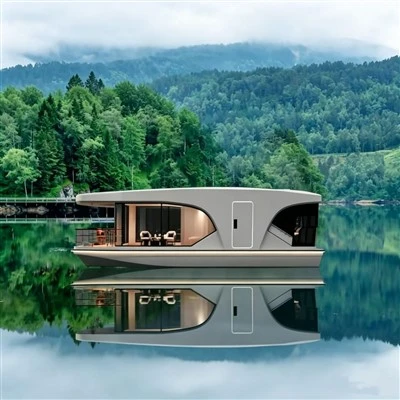
Thanks for hanging out with me here—next time you’re at a marina, take a second to look at the boats. You’ll see the difference right away. The fishing boats are zooming around, the trawlers are gliding along the water like they own it. That’s not an accident—they’re built for totally different lives. If you want to dive deeper, just reach out. I’m here to help.
Patrol Boats References
- "Trawler vs Fishing Boat: Key Differences in Design, Use, and Purpose." Marine Business Journal, 2022
- Recreational Marine Vessel Specifications Report, U.S. Coast Guard, 2021
- "Hull Design and Efficiency in Long-Distance Boating." International Marine Engineering Association, 2020
- Commercial Fishing Vessel Operational Characteristics, National Oceanic and Atmospheric Administration (NOAA), 2023
Longkou Jinda Shipping Co., Ltd.
With abundant experience, we are one of the most professional trawlers manufacturers and suppliers in China. Please feel free to buy high quality trawlers made in China here from our factory. We also accept customized orders.
Address: North of Shuangyu Village, Xingjia Sub-district, Longkou City, Yantai City, Shandong Province
E-mail: Leo99999@qq.com
WebSite: https://www.jindaship.com/
