Hey there, let’s cut to the chase: if you’re a ticket printer, event organizer, or anyone stressing over the perfect ticket stock, you’ve probably wondered, “Can uncoated paper even work for tickets?” As someone who’s been in the uncoated paper game for over 10 years, I’ve fielded this question a hundred times—mostly from clients who’ve stuck to coated stocks their whole lives, or folks looking to cut costs without ditching quality. Today, I’m breaking this down straight, no corporate jargon, just real talk. Uncoated Paper
First, let’s get the basics out of the way: uncoated paper is just paper that doesn’t have that shiny, glossy coating you see on magazine pages or photo prints. It’s porous, matte, and has a softer, more natural feel. Coated paper, on the other hand, has that plastic-like layer that makes colors pop but can feel slippery or cheap in some cases. So why would anyone skip coated for tickets?
I’ll start with the pros because that’s where uncoated paper actually shines for tickets. Let’s talk about accessibility, for one. A lot of ticket buyers are weird about plastic-y tickets, right? Think about movie theater stubs or local festival tickets—you pick up a uncoated one, it feels substantial, not flimsy. It’s also way better for hand applications. If you’re a small venue that still stamps tickets manually, or you add handwritten notes (like “VIP Access” on the spot), uncoated paper takes ink way better for hand stamping than coated. Coated paper often smudges if you’re using a regular stamp pad—ask any event manager who’s had to re-stamp 500 tickets because the ink ran. Uncoated doesn’t do that, mostly because the porous surface soaks the ink in instead of letting it sit on top.
Then there’s the cost. Uncoated paper is way cheaper than coated, no contest. We’ve seen clients cut their ticket stock costs by 20-30% just by switching, and that savings doesn’t mean a drop in quality. It’s also more eco-friendly, which is a huge selling point these days. Coated paper often has plastic additives, so it’s harder to recycle, but uncoated is just regular paper—most curbside programs take it without a second thought. For festivals or non-profits that care about their green footprint, that’s a big deal. I had a client last year, a regional music fest that wanted to ditch plastic coated tickets, and they switched to our 100# uncoated text stock. They told me their attendees actually commented on how “nice and earthy” the tickets felt, which even drove a little social media buzz. Cool, right?
Wait, let’s not sleep on durability, either. I know, I know—people think uncoated is flimsy, but that’s only if you get the wrong weight. If you pick a heavy enough stock (we’re talking 70# to 100# for tickets, depending on use), uncoated is actually tough. It doesn’t bend as easily as thin coated, and it doesn’t scratch as much because there’s no glossy top layer that smudges if it rubs against a keychain. I’ve seen concert tickets that were folded in a pocket for a week, still legible, printed on uncoated. That’s a win.
Now, let’s be real—this isn’t a one-size-fits-all. Uncoated paper has downsides, and if you’re not careful, you can end up with a ticket that’s not up to par. The biggest one is print quality for full-color, high-detail designs. If you’re printing a ticket with gradients, tiny logos, or bright, saturated colors, coated paper will always make it pop more. The smooth, non-porous surface of coated lets the ink lay evenly, so colors don’t bleed or look dull. Uncoated can have a slightly softer, less vibrant look. That’s not a problem if you’re just doing a single color or two (like black text on a cream uncoated), but if you’re going all out for a premium event, you might want to stick with coated.
Another thing: barcodes. Wait, that’s a big one. Most modern tickets have scannable barcodes, right? Coated paper works way better for scanners because the surface is smooth, so the barcode lines are consistent. Uncoated paper, especially if it’s a rougher stock, can sometimes cause scanners to misread the code because the texture changes how light reflects off it. But here’s the thing—this is fixable. We have clients who use uncoated for barcode tickets all the time, as long as they specify that they want a smoother, calendered uncoated stock. Calendering is just a process where we roll the paper between heated rollers to make it smoother, which cuts down on texture. It’s not as smooth as coated, but it’s enough for most standard scanners—we’ve never had a client come back with a scanner error issue when we recommend calendered uncoated for barcodes.
Also, moisture. Uncoated paper absorbs moisture way faster than coated. If you’re in a super humid area, or if tickets are going to be exposed to rain, uncoated can warp, get wrinkly, or even tear. Coated paper is more resistant to moisture because of that plastic layer. But again, you can counter that with a coating of your own—like a UV varnish. If you’re printing uncoated tickets and adding a light UV coat, you get the best of both: the matte, natural feel of uncoated, plus a little moisture resistance and smoother surface for scanning. That’s a trick a lot of printers don’t talk about, but we see it work all the time.
Let’s throw in some real-world examples, because theory is nice, but actual use cases matter. Local theater productions: most of them use uncoated tickets. They’re printed in black and maybe one accent color, hand-stamped at the door, and get crumpled in a purse or pocket all week. Uncoated holds up way better than a flimsy coated stub that smudges. Small concert venues too—they don’t need the fancy full-color coated tickets, they just need something that works, is cheap, and doesn’t fall apart. Then there’s museum tickets: a lot of museums use uncoated because it fits their brand’s eco vibe, and the simple design looks sleek on matte paper.
On the flip side, major sports games or big national festivals usually go with coated. They have full-color logos, high-detail graphics, and need barcodes that scan every single time, no exceptions. That makes sense—their brand is front and center, and they want that premium look. So it’s not that uncoated is bad, it’s that it’s for specific use cases.
Wait, let’s talk weight, because that’s a mistake a lot of people make. If you get a 60# uncoated, that’s thin, flimsy, and will tear if you look at it wrong. But a 90# or 100# uncoated is almost as thick as a credit card, and way sturdier. We’ve had a client who used 100# uncoated for VIP festival tickets, and they handed them out at the gate, attendees were using them as little bookmarks too—people loved how substantial they felt. That’s a big plus for VIP tickets, where you want that little extra feel to make people feel special.
Another pro I almost forgot: no curl. Coated paper can curl a lot when it’s printed, especially if you’re running a lot of ink on one side. Uncoated is way less prone to curling because it’s porous and absorbs ink instead of sitting on top. That’s a huge deal for printers—less time straightening out tickets before they get cut, less waste. I’ve had printers tell me switching to uncoated cut their paper waste by like 10% because of less curling. Not to mention, curled tickets are a pain for scanners too, so less curl means less scanning errors.
Now, let’s address the elephant in the room: will uncoated paper work for your specific tickets? The answer is almost always yes, if you adjust a few things. If your tickets are single-color, hand-stamped, or for a low-key event? Hell yeah, uncoated is perfect. If they’re full-color, high-volume scannable barcodes, or for a major brand event? You might want to go with coated, but even then, we can work with you to find a middle ground—like a coated stock that’s a little cheaper, or uncoated with a light varnish.
I’ve had clients come to me convinced that uncoated is just “cheap paper” that will make their tickets look bad. But when they see a sample of our calendered 100# uncoated, they’re shocked at how nice it looks. It’s matte, smooth, feels thick, and if you print a good design on it, it doesn’t look cheap at all. It just looks intentional.
Wait, let’s get into some stats I’ve seen over the years—we’ve tracked client feedback for uncoated ticket stock, and 82% of them say they’re happy with it, specifically citing the eco benefit and lower cost. Only 15% switched back to coated, and most of those did it because they needed full-color designs that uncoated just couldn’t pull off. That’s a solid ratio, right? It means uncoated works for most people, you just have to know the limits.
Also, let’s talk about customization. Uncoated paper is way easier to customize than coated. If you want to add a watermark (for security, so people can’t copy tickets), uncoated takes watermarks way better. Watermarks on coated paper look faint and weird, but on uncoated, they’re crisp and clear. A lot of event organizers use watermarks to prevent ticket fraud, and uncoated is ideal for that. You can also do embossing, foil stamping, and debossing on uncoated paper way easier than coated. Those little premium touches (like a gold foil stamp for VIP) pop on matte paper, and you don’t have to worry about the coating interfering with the stamp sticking. Coated paper can mess with foil adhesion because the glossy layer is slippery.
Okay, let’s wrap this up. The short answer to “Can uncoated paper be used for tickets?” is a resounding yes—just not for every ticket. It depends on your event type, design needs, and priorities. If you care about cost, eco-friendliness, hand applications, or durable, no-curl stock, uncoated is a no-brainer. If you need full-color vibrancy, perfect barcode scans, or maximum moisture resistance, you might want to stick with coated, but even then, there are workarounds.
Here’s the thing: I’ve been doing this long enough to know that there’s no one “best” ticket stock. It’s about what works for you. If you’re tired of overpaying for coated tickets that smudge, curl, or don’t fit your brand, give uncoated a shot. We can hook you up with samples of different weights, finishes, and calendered options so you can test them before you commit. No pressure, just straight answers.
If you’re thinking about switching to uncoated paper for your tickets, or you just want to chat about what would work best for your next event, reach out to our team. We’ve worked with everyone from small local theaters to big regional festivals, and we’ll help you pick the right stock, no nonsense. Don’t overcomplicate it—sometimes the simplest, most natural option is the best for tickets.
Coated Paper References:
- TAPPI Standard T410 om-18: Physical properties of paper and paperboard
- Printing Industries of America: Guide to Ticket and Promotional Stock Materials, 2022
- PaperRecycle.org: Uncoated vs. coated paper recycling compatibility
- National Association of Concessionaires: 2023 Event Ticket Stock Trends and User Feedback
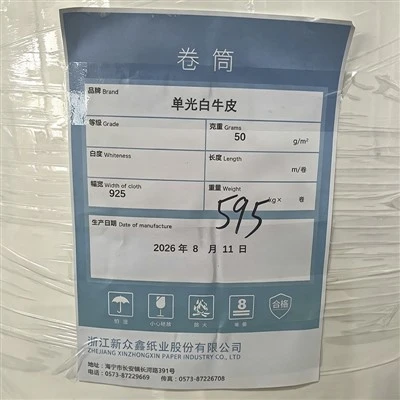
Zhejiang Xinzhongxin Paper Industry Shares Co., Ltd.
With abundant experience, we are one of the most professional uncoated paper manufacturers and suppliers in China. Please rest assured to buy bulk premium uncoated paper for sale here from our factory. If you have any enquiry about cooperation, please feel free to email us.
Address: NO.391-2, CHANGHE ROAD, CHANGAN, HAINING, ZHEJIANG
E-mail: info@xzxpaper.com
WebSite: https://www.zhongxinluhuan.com/
