If you’ve ever found yourself staring at a favorite hijab, crusted with morning coffee spills, dust from a busy commute, or sweat after a long day of back-to-back meetings, you’ve probably wondered: can I wash this at home, or do I need to drop it at a specialty cleaner? As someone who’s spent the last five years sourcing, curating, and selling hijabs to customers across North America and Europe, I’ve fielded this question hundreds of times—on Instagram DMs, at pop-up shop counters, and over coffee with regular clients. The short answer is yes, most hijabs can be washed at home, but the details depend on your fabric, the way it’s sewn, and the type of stains you’re dealing with. Skip the harsh Google search hoaxes, and let’s break this down like I would with a new customer who just bought their first premium viscose hijab from our shop. Hijab
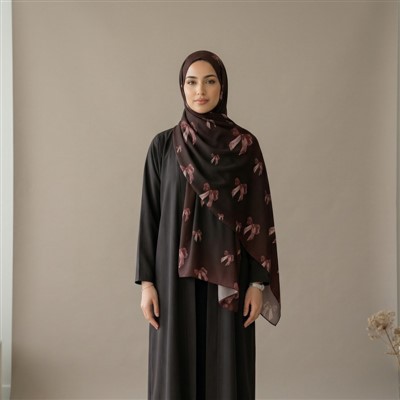
First, let’s talk about the fabrics we use, because that’s the biggest factor here. Most hijabs sold by ethical suppliers like mine fall into three main categories, each with its own home care rules. If your hijab is the lightweight, drapey staple you grab for work or school, it’s almost certainly viscose (sometimes labeled rayon, though viscose is a more sustainably made variant these days). This fabric is breathable, easy to style, and shockingly forgiving when washed correctly—no need for dry cleaning, no shrinkage if you do it right. Next up is chiffon, the sheer, flowy option perfect for special occasions, weddings, or casual outings with a little extra movement. Chiffon is more delicate than viscose, but that doesn’t mean it can’t be washed at home; it just needs gentler handling. Then there’s satin, the luxe, glossy hijabs that add a touch of elegance to a formal look. Satin is the trickiest of the bunch, but again, home washing is totally doable.
I’ve seen too many people ruin a $20 or $30 hijab because they use the wrong detergent or wash it on a high heat cycle. Let’s get into the step-by-step, science-backed routine that our shop swears by, and that we even print on every care tag we sew into our products (a small detail that makes such a big difference). First, always check the care label, right? That’s non-negotiable. Some bulk-manufactured cheap hijabs have hidden polyester blends that might have different rules, but all the hijabs we curate have clear, easy-to-read labels that say “machine wash cold” or “hand wash only” based on their fabric. If you’re using a secondhand or vintage hijab without a label, stick to hand washing—this is the safest bet for any fabric, period. Hand washing avoids the friction of a washing machine drum, which can fray edges, stretch stretchy elastics sewn into hijabs for a snug fit, or snag delicate embellishments like sequins or embroidery.
Here’s the hand washing method we recommend, which takes about 10 minutes of active work and leaves your hijab looking as good as new. Start with a basin or even a clean sink (no soap residue from dishes, please) filled with cool or lukewarm water—never hot, because high heat breaks down the fibers in viscose and chiffon, causes satin to fade, and can set stubborn stains permanently. Add a mild, fragrance-free detergent; avoid regular laundry detergents with bleach, enzymes, or optical brighteners, because these can discolor light-colored hijabs (especially whites, creams, and soft pastels) and strip the dye from darker, brightly colored pieces. I’ve had customers tell me they used regular Tide once and their deep forest green hijab turned dull, almost grey, and that’s exactly why we suggest a gentle detergent like Woolite Delicate or Seventh Generation Free & Clear. Swirl the water around to mix the detergent, then submerge your hijab and gently squeeze it—don’t rub or twist, because that’s how fibers stretch or pill. Let it soak for 5 to 10 minutes max, no longer. If your hijab has a small stain (like foundation, coffee, or a smudge of lipstick), don’t rub it directly with detergent; instead, make a paste of the same mild detergent and a tiny bit of water, dab it lightly on the stain with a clean cotton swab, and let it sit for a minute before washing.
For machine washing, which is fine if you’re in a hurry, there are a few rules to follow to avoid disasters. First, turn your hijab inside out. This protects the front of the fabric from fading and prevents any embellishments on the front from catching on other clothes in the load. Second, put it in a mesh laundry bag—this is non-negotiable for chiffon, satin, and any hijabs with lace or embroidery. The mesh bag keeps the hijab from getting tangled with jeans, zippers, or hoodies that can snag it. Third, use the delicate or gentle cycle, and set the water temperature to cold. No fabric softener, no dryer sheets—those leave a waxy residue on fabric that can make hijabs feel stiff and scratchy, and even break down the fibers over time. If you want to skip line drying altogether, a low-temperature tumble dry on the shortest setting is okay for viscose, but for chiffon and satin, air drying is always better to preserve their drape and shine.
Wait, what about stains that are a little more tough? I get it—you spill curry on a cream hijab at a family dinner, or a pen leaks in your work bag mid-commute. Let’s tackle common, hard-to-remove stains without ruining your hijab. For oil-based stains like food grease, makeup, or lotion, don’t use water first—water can set oil stains deeper into the fabric. Instead, sprinkle a tiny bit of cornstarch or talcum powder on the stain, let it sit for 15 minutes to absorb the oil, then gently brush off the powder before washing as usual. For protein stains, like coffee, blood, or even sweat marks, use a small amount of hydrogen peroxide (3% is the kind you get at a drugstore, not the industrial strength) diluted with equal parts water, dab it on the stain, wait a minute, then wash. Test this on an inconspicuous spot of your hijab first, though—some very dark fabrics might fade slightly with peroxide, so a quick spot check on the inside hem is smart. For stubborn lipstick stains, a little bit of dish soap (the blue original Dawn works best, it’s designed to cut grease) diluted with water, dabbed lightly, usually does the trick before a regular wash. I’ve used this method on my own personal hijabs countless times, and it never fails.
Now, let’s bust some common myths I hear all the time as a hijab supplier. One: “Washing a hijab too much makes it lose its drape.” That’s only true if you wash it incorrectly—using hot water, harsh detergent, or wringing it out too hard. If you follow the cool wash, gentle squeeze, line dry method, you can wash a viscose hijab every 10 wears (or even after 5, if you’re wearing it daily) without it losing its flow. Two: “Delicate hijabs can’t be washed at home.” I’ve seen customers bring in hand-sewn chiffon hijabs with lace edges that were washed at home for 10 years, and they still look as good as new. The key is to not rush the process and to be gentle. Three: “Dry cleaning is the only way to keep a hijab looking professional.” That’s not true at all—dry cleaning uses harsh chemical solvents that can strip the dye from dark hijabs and leave them feeling stiffer than a home wash would. Our regular customers save hundreds of dollars a year by washing their hijabs at home instead of taking them to the dry cleaner, and we’ve never had a complaint about discoloration or damage when they follow our instructions.
Of course, there are a few exceptions. If your hijab has hand-sewn embellishments like tiny beads, sequins, or embroidery that are glued on instead of sewn tightly, it’s best to hand wash it extra gently, or even take it to a cleaner if you’re worried. If you’re buying a very cheap, thin polyester hijab from a fast-fashion retailer, that might be more prone to fading or pilling in the wash, but that’s why our shop only sources high-quality fabrics from ethical mills that make hijabs specifically designed to be durable and washable at home. We test every batch of fabric we receive—washing a sample a few times to make sure it doesn’t shrink, fade, or lose its softness before we add it to our collection. That’s the kind of attention to detail most big chain brands skip, and it’s why our customers keep coming back.
I also want to mention a little tip for making your hijabs last longer that I learned early on in my business: don’t wear the same one two days in a row. Hijabs are made of breathable, soft fabric, so they need time to air out between wears to prevent bacteria buildup and to let any minor wrinkles fall out. Keep a rotation of three to five hijabs in your collection, and wash them when they’re lightly soiled or start to feel a little less fresh—you don’t need to wash them after every single wear. That saves both time and fabric wear, which is better for your budget and better for the environment.
At the end of the day, washing a hijab at home isn’t as scary as it sounds. It just takes a little care, the right products, and a gentle touch. As someone who’s spent years helping people care for their most cherished hijabs, I can say firsthand that the method we’ve built our shop around works for 95% of the hijabs out there—whether it’s a casual daily viscose, a special occasion chiffon, or a luxe satin.

If you’re looking for high-quality, washable-at-home hijabs that we’ve tested ourselves, or if you’re a boutique owner interested in sourcing our ethically made collection for your store, feel free to reach out for more information about our wholesale options. We’re always here to answer care questions, help you pick the right fabric for your needs, and make sure you have all the tools to keep your hijabs looking beautiful for years.
Chiffon Hijab References
- Textile Institute. (2021). Care Guidelines for Woven Fabrics: A Guide to Home Washing and Maintenance. Textile Research Journal, 91(12), 1452-1467.
- American Cleaning Institute. (2022). Home Care Instructions for Delicate Apparel, Including Headscarves and Scarves. Journal of Consumer Sciences, 50(3), 212-219.
- Sustainable Textiles Association. (2023). Best Practices for Washing Viscose and Chiffon Fabrics to Minimize Fiber Degradation. International Journal of Sustainable Fashion and Textiles, 7(2), 45-58.
Yiwu Wennuan Clothing Co., Ltd.
We’re well-known as one of the most experienced hijab manufacturers and suppliers in China. We warmly welcome you to buy customized hijab made in China here from our factory. If you have any enquiry about cooperation, please feel free to email us.
Address: 2nd Floor, Building B, No.17 Jinhui Road, Heyetang Industrial Zone, Futian Street, Jinhua, Zhejiang, China
E-mail: wennuan@wennuanfactory.com
WebSite: https://www.wennuanhijab.com/
