If you’re an industrial user or even a small fabrication shop that’s brought on a new electric furnace (or have had one sitting unused for a while), you already know they’re a big investment. We sell these things every day, and more often than not, the first question we get after someone buys a unit is: “How do I keep this running right for 10+ years, not just the first couple months?” Electric Furnace
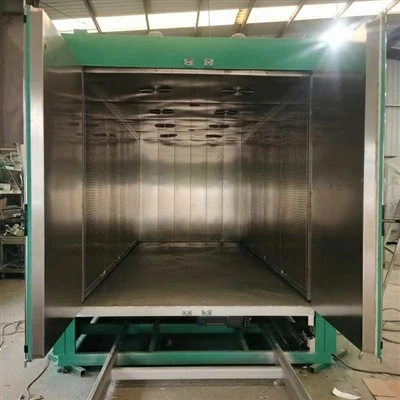
Storing an electric furnace might sound silly if you think it’s only for when the unit’s brand new and sitting in a warehouse. But here’s the thing: storage happens a lot more than you’d think. Maybe you’re taking your shop offline for a seasonal shutdown. Or you just upgraded to a bigger furnace and your old one’s going into long-term storage until you move it to a new facility. Or maybe you hit a lull in production and want to tuck it away to avoid unnecessary wear.
Over the years, we’ve seen way too many furnaces come back from storage with rusted heating elements, clogged insulation, or even dead control boards—all totally preventable. So let’s break down the actual best practices we share with every single customer, no fluff, no fancy jargon, just stuff that works because we’ve tested it ourselves.
First off, prep the furnace before you even think about covering it. This is non-negotiable. You can’t just yank the plug and wrap it in a tarp—half the damage happens while it’s sitting dirty inside. Let’s start with the interior. Those heating elements? They get covered in dust, ash, and residual debris from the last job. If you leave that in there, moisture will get trapped, and that dust turns into a corrosive mess over time. We usually tell customers to blast the interior with low-pressure compressed air first. Don’t use a high-pressure hose here—you’ll bend the elements or blow insulation out of place. For gunk that’s baked on, a soft nylon brush works; steel brushes are a no-go, they’ll scratch the element surfaces and cause hot spots later.
Next, wipe down the firebox walls (if it’s a batch furnace) or the heating chamber with a dry cloth. Any leftover product residues—like wax, metal shavings, or even just oil mist from machining—will absorb moisture if left. Moisture is the enemy here. It causes rust on metal parts, short circuits in wiring, and even eats away at refractory insulation over time. If your furnace has a ceramic fiber lining, make sure you don’t get it wet at all—water will make it brittle, and you’ll have to replace it way sooner than you should.
Then there’s the electrical side. This is where so many people mess up. Don’t just turn off the power at the wall—disconnect it entirely. Remove the fuses or trip the circuit breaker, and tape the disconnect switch in the “off” position so no one accidentally flips it on while you’re working. That goes double for long-term storage. You’d be surprised how many times a new tech walks into the shop, sees a furnace with power on, and tries to turn it on mid-storage. Also, take off any control panels and store them separately in a dry cabinet—they’re the most delicate part, and keeping them with the furnace increases the chance of damage if something spills or gets knocked into the unit.
Once the inside is clean and the electrical parts are out, you want to seal the chamber to keep moisture, dust, and critters out. A lot of folks just throw a tarp over the whole thing, but that’s the wrong kind of seal. Tarp traps moisture—if you leave it on a damp concrete floor, you’re creating a little condensation tent inside. Instead, use the furnace’s own doors and access panels. If it’s a batch furnace, close the loading door tight—add a thin layer of polyethylene tape around the seal if it’s worn, to make it airtight. For any ports or vents that aren’t in use, plug them with foam stoppers or sealed caps. If it’s a continuous furnace, block the inlet and outlet ends with heavy plastic sheeting, secured tight, so nothing can get through.
And don’t skimp on the location. Where you store the furnace matters way more than most people think. We see customers tuck furnaces out in a warehouse bay where it gets rained on, or in a corner that floods when it storms. That’s a disaster. Store it in a cool, dry, indoor space—ideally a climate-controlled area if you can swing it, but at minimum, off the ground on pallets or a raised platform so no groundwater seeps up. If you have to store it outdoors for a short time (say, a week before moving it), get a heavy-duty, waterproof tarp and elevate it off the ground so air can circulate under it. Never lay it directly on concrete—concrete holds moisture, and that will seep into the furnace’s base over time.
Another big one: if you’re storing it for more than 30 days, do a monthly check-in. We recommend this for long-term storage (anything over a month). Pop open the access panels, blow a little compressed air through the heating elements again, and make sure there’s no new moisture buildup. If you’re in a super humid area, you might even want to put a few desiccant packs inside the chamber. Those little silica gel packets work great—just leave a handful taped to the top of the firebox, and they’ll absorb any extra moisture before it can cause damage.
Wait, what about parts like thermocouples? Those tiny sensors are super sensitive, right? Don’t leave them plugged into the furnace while it’s in storage. Unplug them, wrap them in soft cloth, and store them in a dry container with the control panels. If a thermocouple gets dirty or damp, it’ll give wonky temperature readings when you start the furnace back up, which can lead to overheating and even break elements. We’ve seen a customer skip that, and they had to replace three thermocouples and one heating element when they fired it up again—all because they left the sensor in the dirty chamber.
Also, don’t forget about the exterior. The outside of the furnace gets exposed to oil, dust, and road grime if you move it, or just shop dust if it’s staying put. Wipe it down with a mild detergent and water, dry it completely, and if it’s metal, spray a light coat of rust inhibitor. Don’t use anything too oily—you don’t want that oil dripping into the interior when you take it out of storage. For painted furnaces, just a quick wipe down works, no need for extra stuff.
Now, let’s talk about mistakes we’ve seen customers make that you definitely don’t want to repeat. One time, a shop stored their new electric furnace in a bay next to a parts washer that leaked. The moisture from the parts washer seeped through the tarp, and by the time they pulled it out, the heating elements were so rusted they snapped when they turned the power on. That cost them $1,200 in parts alone, not to mention the downtime. Another customer didn’t disconnect the power, and a mouse chewed through the wiring harness while the furnace was in storage—total electrical replacement, and they were without a furnace for two weeks. Small pests love to nest in warm, dark chambers, so sealing all ports isn’t just for moisture—it’s for keeping bugs and rodents out too.
What about if you’re moving the furnace while it’s in storage? Don’t drag it across the floor. Lift it with a forklift or a pallet jack, and secure all the loose parts (control panels, thermocouples) so they don’t shift during transport. If you’re storing it long-term (over a year), you might also want to rotate the heating elements every six months. That keeps them from sitting in one spot, which can cause warping or weakening over time. Most furnaces have fixed elements, so you just gently twist them a quarter turn every couple months to keep the metal from settling unevenly.
Once you’re ready to take it out of storage, don’t just flip the power on right away. Do a pre-start check. First, blow out the interior one last time to get rid of any dust that accumulated while stored. Check the heating elements for warping or rust, make sure all wiring connections are tight, and test the thermocouple with a multimeter to make sure it’s working. Then, run a low-temperature bake-out. Set the furnace to 200-300 degrees Fahrenheit for a couple hours—this burns off any leftover moisture or volatile residue that might have gotten stuck. Skip that step, and when you heat it up fast, that moisture can turn to steam and blow out the refractory lining, or cause a short in the electrical system.
Here’s the thing: storing an electric furnace right isn’t just about avoiding repair bills. It’s about making sure when you need it, it works like it did the day you bought it. We sell furnaces for all kinds of jobs—metal heat treating, ceramic firing, even lab testing—and every single customer that follows these steps tells us their unit lasts way longer than the industry average. The ones that skip the prep? They’re back in our shop in a year, asking for replacements.
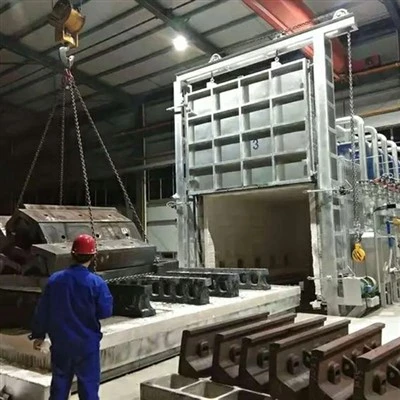
If you’re getting ready to store your electric furnace for the first time, or you’re not sure if you’re doing it right, reach out to our team. We can walk you through step-by-step, answer any questions you have, or even help you source the right supplies (like desiccants, seals, or rust inhibitor) to make the storage process easy. Don’t wait until you have a breakdown—taking 2-3 hours to prep the furnace for storage now will save you days of downtime and hundreds in repairs later.
Oil-Fired Furnace References:
- Industrial Electric Furnace Maintenance Guidelines, National Association of Heat Treating Manufacturers, 2021
- Furnace Storage and Longevity, Industrial Heating Equipment Association, 2022
- Best Practices for Electrical Component Storage, Occupational Safety and Health Administration, 2020
Jiangsu Fangwei Furnace Industry Co., Ltd.
Jiangsu Fangwei Furnace Industry Co., Ltd. is one of the most professional electric furnace manufacturers and suppliers in China. With abundant experience, we are committed to providing high quality customized products with competitive price. Please feel free to buy advanced electric furnace made in China here from our factory.
Address: No.168, HuangNian Bridge, DaoShu Town, Danyang City, JiangSu Province, China
E-mail: fangwei@fwfurnaces.com
WebSite: https://www.fwfurnaces.com/
