If you work in the automotive industry—whether you’re a small vehicle manufacturer, a mid-tier tier one supplier, or a startup building electric and hybrid parts—you know the difference a well-sourced injection molded component can make. I run a small but specialized automotive injection molding facility, and over the past 12 years, I’ve seen firsthand how a bad supplier choice can derail a production line, kill a product launch, or even lead to costly recalls. I’ve also seen how a reliable, aligned supplier can turn a tight timeline into a on-time delivery, a design prototype into a production-ready part, and a headache into a competitive edge. The problem is, sourcing reliable automotive injection molded components isn’t like picking a supplier for office supplies or packaging. Automotive parts have strict requirements: dimensional tolerances as tight as 0.02mm, material consistency that meets ISO 10993 for interior cabin parts, compliance with IATF 16949, and zero tolerance for defects that could impact driver safety. Automotive Injection Molded Components
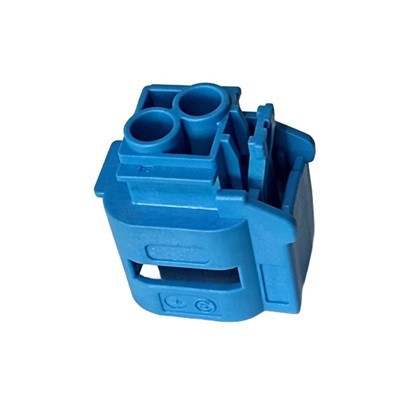
When I first started my business, I made every mistake in the book. I chose a supplier for a set of dashboard vent components because their quote was 15% lower than competitors, and I didn’t vet their process. What I got were parts that varied in wall thickness by 0.1mm, so they rattled on the assembly line and failed the initial quality audit. We spent three weeks reworking 2,000 parts, missed a production deadline, and lost a key client. That experience taught me that sourcing automotive injection molded components isn’t just about price or even product quality—it’s about building a partnership that can adapt to the unique needs of the automotive sector. Today, when I work with brands looking for these parts, I follow a framework that has cut my own defect rate to less than 0.1% and helped my clients avoid the kind of missteps I made years ago. Let’s break down what that process looks like, step by step.
Start by defining your non-negotiables before you ever reach out to a supplier. This isn’t just listing “plastic parts” on a spreadsheet—automotive injection molded components have very specific requirements that will make or break your sourcing decision. First, nail down your material specifications. If you’re making under-hood parts like a coolant reservoir, you’ll need high-temperature nylon (PA66) reinforced with fiberglass, which can handle continuous exposure to 120°C and road chemicals. If you’re making interior trim for a passenger cabin, you’ll need low-VOC polypropylene (PP) that meets standards for volatile organic compounds to keep air inside the car safe for drivers and passengers. Even something as small as a door handle fastener has specific material requirements: it needs impact resistance, UV stability, and compliance with REACH and RoHS regulations to eliminate harmful chemicals. Getting this right upfront will help you filter out suppliers that don’t have experience with your exact material needs.
Next, clarify your tolerance and volume requirements. Automotive injection molded parts live or die by tolerances. For example, a connector pin for an electric vehicle battery pack needs a tolerance of ±0.02mm to fit perfectly into its mating part, no gaps, no over-fitting. A supplier that works with consumer electronics parts, which often have tolerances of ±0.1mm, won’t have the precision equipment or quality control processes to hit those automotive-grade numbers. Volume is another big one: if you’re ordering 50,000 parts a month, you need a supplier with consistent production capacity, not a small shop that can only handle 10,000. If you’re doing prototype work for a new EV, you might need a supplier that can switch from prototyping to full production in 8 weeks, not 6 months. Defining these details before you start searching will save you endless time and weed out mismatched suppliers.
Once you have your non-negotiables, start vetting potential suppliers through two channels: industry networks and verified certifications. The automotive sector is a tight, connected community—ask peers in your industry who they use, especially for niche parts. If you work on electric vehicles, for example, reach out to other EV component makers in your network; they’ll have experience with suppliers that can handle battery-related components, which have extra stringent safety requirements. Beyond word of mouth, certifications are non-negotiable for automotive suppliers. IATF 16949 is the gold standard for automotive quality management systems—any supplier worth working with will have this, because it means they meet strict global requirements for design, production, and continuous improvement. For parts that interact with food or medical devices (though automotive cabin parts have similar clean air requirements), ISO 10993 is important. You’ll also want to check for environmental certifications like ISO 14001, especially as more automotive brands push for sustainable parts made from recycled materials. A supplier that only has a basic ISO 9001 certificate, which is general for all industries, isn’t reliable enough for automotive.
After you’ve narrowed down your list to 3-5 suppliers that meet your certifications and basic criteria, deep dive into their process and capabilities. Don’t just take their word for it—ask specific questions, and if possible, visit their facility. I always invite prospective clients to my plant, because seeing how we operate tells you more than any sales pitch. When you visit, look at their equipment: do they have modern injection molding machines with closed-loop process control, which monitors temperature, pressure, and speed in real time to ensure part consistency? Do they have in-house tool making or do they outsource tooling? Tooling is half the battle for high-quality molded parts—an experienced in-house tool team can adjust molds mid-production if there’s a small defect, whereas an outsourced team will take weeks to fix a problem.
You should also ask about their quality control (QC) process, which is where many suppliers cut corners. Automotive QC isn’t just testing finished parts—its process controls. A reliable supplier will have in-line inspection at every step: checking raw material batches for purity before they hit the machine, measuring every 100th part during production to ensure tolerance is on track, and doing 100% dimensional checks on critical safety parts like brake line connectors. They should also have a formal corrective and preventive action (CAPA) process in place, so if a defect is found, they can trace it back to the root cause and fix it for future runs. Ask for a sample of a recent automotive part they made, and ask for their first article inspection (FAI) report. An FAI report is a detailed document that proves a part meets all design specifications—this is non-negotiable for automotive, and any supplier that can’t provide one should be crossed off your list.
Once you’ve vetted their capabilities, test their reliability with a small pilot run. Never jump into a 100,000-part order with a new supplier right away. A pilot run of 500-1,000 parts will tell you everything you need to know. Start with the same production timeline and tolerance requirements you have for full orders. When the pilot run comes in, don’t just check a few parts—do a full dimensional audit, test the material for compliance with your specifications, and even put the parts through accelerated life testing if possible. For example, if you’re making an exterior side mirror housing, bake parts in an oven at 85°C for 72 hours to make sure they don’t warp. If you’re making interior trim, test for VOC emissions to ensure they meet cabin air standards.
During the pilot run, pay attention to communication. How quickly did they respond to your questions about the project? Did they update you on any potential delays before they happened, or did they wait until the deadline passed? Reliability is as much about communication as it is about part quality. A supplier that misses small milestones on a pilot run will miss big ones on a full order. I always prioritize transparency: if my team hits a snag in a pilot run, I tell the client immediately, work with them to adjust the timeline if needed, and give them a clear plan to fix it. That’s the kind of partnership that makes sourcing less stressful.
Negotiation is the next step, but here’s the key: don’t negotiate price alone. Automotive parts have hidden costs—defects, delays, rework, recalls. A supplier that undercuts competitors by 10% might be cutting corners on QC, which could lead to a recall that costs you millions of dollars. Instead, negotiate for total cost of ownership (TCO). For example, if Supplier A quotes $1 per part with a 1% defect rate and a 2-day lead time, and Supplier B quotes $0.90 per part with a 5% defect rate and a 10-day lead time, Supplier A is actually cheaper. The rework on 5% of Supplier B’s parts alone would erase the price difference, plus the delay could set back your production line. Also, negotiate terms that include quality guarantees: a reliable supplier will stand behind their parts, so you should be able to get a full refund or replacement for parts that don’t meet specs.
Once you’ve found a supplier that passes all your checks, build a long-term partnership, not just a transaction. The best automotive suppliers work with their clients to improve designs, reduce costs, and adapt to new requirements. For example, I’ve had clients come to me with a part design that they thought would require expensive tooling changes, and my engineering team was able to suggest a small adjustment to the mold that cut production cost by 12% without sacrificing quality. A good supplier will bring these kinds of value adds to the table, not just give you a price quote. They’ll also be flexible enough to adapt to changes—automotive design changes all the time, especially with the shift to EVs, and you need a supplier that can adjust production quickly without compromising quality.

At my facility, we specialize in automotive injection molded components for interior, exterior, and under-hood applications, and we work closely with clients to meet all their specifications. We know how critical these parts are to your production line, and we prioritize transparency, quality, and reliability over short-term gains. If you’re looking for a supplier that can meet your automotive injection molding needs, we’d be happy to discuss your project, review your specifications, and show you how we can support your goals.
Connector Plastic Components References
IATF 16949:2016 Automotive Quality Management System Requirements
Automotive Injection Molding: Processes, Materials, and Quality Standards, Society of Plastics Engineers
Volatile Organic Compounds (VOC) Emission Standards for Automotive Interiors, European Commission
Modelon Precision Industry (Suzhou) Co., Ltd.
With abundant experience, we are one of the most professional automotive injection molded components manufacturers and suppliers in China. Welcome to buy customized automotive injection molded components at competitive price from our factory. If you have any enquiry about pricelist, please feel free to email us.
Address: 1st Floor, Building 22, No. 2628 North Gate Road, Kunshan City, Jiangsu Province, P.R.China
E-mail: jessica_huang2025@163.com
WebSite: https://www.modeloncn.com/
