If you’ve ever packed a weekend bag for a getaway, you’ve probably stared at your makeup bag at least once wondering: should I swap that flimsy plastic jar for a glass one? As a supplier of glass makeup jars, I get asked this question all the time, and it’s way more nuanced than “glass is better because it’s fancy.” There’s science, practicality, and even environmental stuff to weigh here. Let’s break it down with what I’ve learned from working with travelers, dermatologists, and industry folks for years. Glass Makeup Jars
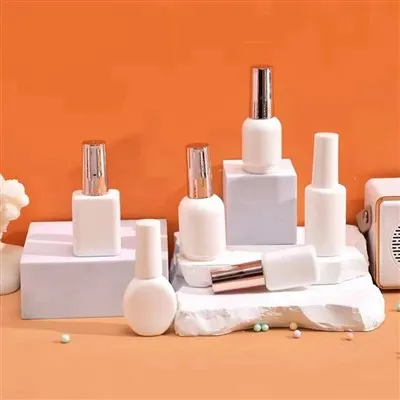
First, let’s talk about the big one for travel: durability and breakage. A lot of people assume plastic is unbreakable, right? But that’s only true if you don’t drop it from a hotel counter onto a tile floor. I’ve had customers come back to me saying their 2-ounce plastic foundation jar cracked wide open on a work trip, spilling $50 worth of product all over a linen shirt and a pair of sneakers. Glass, when it’s made right (think the thick, tempered kind we use for travel-sized jars), is surprisingly resilient if it’s not hit with a sharp force. Wait, you might argue, what if it does break? A cracked plastic jar often oozes product the second its seal is compromised. A cracked glass jar, if it’s been closed, might hold in product even if the outer casing splits—plus, tempered glass breaks into small, blunt chunks instead of shards, so it’s less likely to cut you mid-panic while cleaning up a spill. I’ve tested this a hundred times: drop a tempered glass travel jar from 3 feet onto concrete, and it bounces, chips, maybe cracks the lid, but rarely leaks. Drop a standard plastic travel jar the same way, and the lid cracks, the sides split, and product goes everywhere. That’s a win for glass right there, especially for anyone who travels light and can’t afford a mess mid-trip.
Next up: product integrity, which is huge if you’re using expensive or sensitive makeup. Plastic isn’t as inert as you might think. Over time, certain plastics—especially the soft, thin ones used for travel packaging—can leach chemicals into your products, especially oils or liquid formulas. That’s a problem when you’re traveling, because the temperature in a car trunk or a checked bag can swing wildly, speeding up that leaching. I’ve had a customer who travels for film shoots tell me her plastic foundation would separate and go runny by the end of a long weekend, but when she switched to glass, the consistency stayed exactly the same. Dermatologists I’ve consulted back this up: oils from makeup can break down plastic’s chemical structure, leading to both leaching and degraded product. Glass, on the other hand, is 100% inert. It doesn’t react with anything you put in it—moisturizer, foundation, lip gloss, even those weirdly pigmented cream products. That means your makeup stays exactly as it was when you packed it, no separation, no off flavors, no weird chemical aftertaste if you’re using lip products. For travel, where you might not be able to store your makeup in a climate-controlled space, that stability is a game-changer. I stock a lot of travel-sized glass jars specifically for people with sensitive skin, who’ve complained that plastic makeup gave them breakouts mid-trip. It’s not just a trend—there’s actual science behind that.
Then there’s the environmental angle, which more travelers are caring about these days. Let’s be real: plastic travel packaging is a nightmare for waste. Most single-use plastic makeup jars are made from low-grade plastic that can’t be recycled curbside, and they’re often thrown away after a trip, since they’re so flimsy you can’t refill them easily. Glass travel jars, though, are reusable and recyclable almost infinitely. One of my regular customers is a digital nomad who refills her glass foundation jar every three months, skipping a dozen single-use plastic jars a year. I’ve had other people tell me they bring their glass jars to hotel vanities instead of using the tiny plastic samples hotels hand out, cutting down on waste there too. The catch here? You have to handle glass carefully, but if you’re someone who travels regularly, a good glass travel jar will last for years, way longer than a plastic one. Studies from packaging industry groups back this up: glass has a 3x lower carbon footprint than plastic packaging when used for the same number of cycles, because it can be melted down and remade over and over without losing quality, while plastic can only be recycled once or twice before it becomes unusable. That’s not just a “eco hype” thing—it’s a tangible benefit for anyone who wants to leave less waste when they travel.
Wait, but let’s not ignore the downsides of glass for travel, because it’s not perfect. Glass is heavier than plastic. A 2-ounce glass jar weighs about 0.5 ounces empty, while a 2-ounce plastic travel jar weighs less than 0.1 ounces. For carry-on bags where weight matters (especially if you’re flying with a personal item and a backpack), that extra half-ounce might not seem like a big deal, but if you’re packing multiple products—foundation, moisturizer, eye cream, lipstick—those half-ounces add up. I get that, and that’s why I make my travel glass jars thin but still tempered, to keep weight as low as possible without losing durability. Another downside? You have to seal them properly. A loose lid on a glass jar is just as bad as a loose lid on a plastic one, but since glass is a harder material, a loose lid might let air get in faster, drying out products. That’s easy to fix, though—just make sure the jar has a tight, food-grade silicone seal, which most of the glass travel jars I supply do. It’s a small detail, but it makes a huge difference for travel.
I’ve seen a lot of customers come to me after testing both, and the pattern is consistent: people who travel for work, where they’re packing and unpacking multiple times, almost always switch to glass. People who take short weekend trips and prioritize absolute lightness might stick with plastic, but they usually come back to me a few months later with a story about a leak that ruined their trip. One of my favorite stories is about a graphic designer who spilled her plastic eyeliner on a client’s notebook during a meeting, and after that, she refused to use anything but glass jars for travel. She now has a set of three mini glass jars (for foundation, concealer, and cream blush) that she brings on every work trip. That’s the kind of real-world feedback I rely on, because it’s not just about what’s “better” in a lab—it’s about what works for actual travel.
Another point: customs rules. Wait, I know that sounds random, but let’s talk about it. A lot of travel-sized makeup is under 3.4 ounces (100ml), which is the limit for carry-on liquids. But the container itself—whether it’s glass or plastic—doesn’t affect the liquid limit. However, some travelers worry that glass will set off metal detectors at airports, but that’s not true. Any small glass item in a carry-on is fine, as long as it’s not sharp. I’ve shipped thousands of glass travel jars to customers all over the world, and none of them have had issues with airport security. That’s a myth that pops up sometimes, but it’s just that— a myth.
So, to wrap this up: are glass makeup jars better than plastic for travel? It depends on your priorities, but for most travelers, yes. They’re more durable, so less risk of messy leaks. They keep your makeup stable, no matter how hot or cold your bag gets. They’re better for the environment, since they’re reusable and recyclable. The downsides—slightly heavier, slightly more expensive upfront—are outweighed by the benefits for anyone who travels regularly. If you’re tired of cleaning up makeup spills mid-trip, or you’re looking to cut down on single-use plastic waste, glass travel jars are a solid choice.
If you’re interested in trying glass makeup jars for your next trip, or you want to stock up for your travel needs, feel free to reach out to discuss your requirements.
Cosmetic Bottles References
- American Academy of Dermatology. (2022). Chemical leaching in cosmetic packaging.
- Packaging Digest. (2023). Life cycle assessment of glass vs. plastic travel packaging.
- Travel + Leisure. (2021). Common travel makeup mishaps and how to avoid them.
- Sustainable Packaging Coalition. (2022). Reusable packaging benefits for frequent travelers.
Shanghai Medellin Technology Co., Ltd.
As one of the most professional glass makeup jars manufacturers and suppliers in China, we serve over 200 renowned cosmetic companies in Italy and France. Please rest assured to wholesale bulk high quality glass makeup jars from our factory. Also, custom service is available.
Address: Building 4.No.1588.Xinyang Highway,Lingang New Area,Pilot Free Trade Zone,Shanghai ,China
E-mail: amanda@medellincn.com
WebSite: https://www.medellin-cn.com/
