If you’ve ever walked past a factory floor at 2 a.m., or stood beside a CNC machine mid-production, you’ll notice something no training manual captures: the quiet rhythm of precision, and the very real risk that a split-second oversight can throw that rhythm off, or worse, lead to an injury. For 12 years, I’ve been on the front lines of CNC machine tool manufacturing—first as a service technician, then as part of the team that sells the machines I helped repair—and I can tell you this: safety isn’t an afterthought. It’s the difference between a worker going home to their family and a day that changes lives. As a CNC machine tool supplier, we don’t just sell hardware; we build machines with safety baked in, and we never stop reminding customers that even the best-designed tools rely on intentional, consistent precautions. CNC Machine Tools
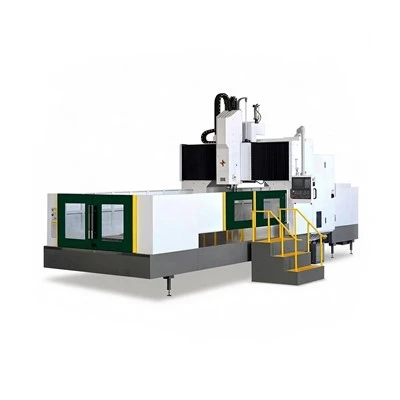
First, let’s demystify a common myth: many operators think CNC safety only applies to the “dangerous parts” of a machine, like the rotating spindle or the cutting tool. The truth is, risk hides in every part of the workflow—from the moment you unbox a machine to the second you power it down after a shift. Let’s start with the pre-operation steps, because 30% of CNC-related incidents (according to OSHA’s 2022 manufacturing injury report) happen before the machine even starts cutting. Too often, new operators skip this step, thinking they “know the drill,” but even a seasoned technician can miss a loose guard or a frayed electrical cord if they rush.
Before powering on any CNC machine, always run a visual walkaround that covers four key areas. First, inspect all safety guards—including the spindle guard, chip door, and emergency stop (E-stop) button. Guards aren’t just plastic barriers; they’re engineered to catch flying debris, deflect tool fragments, and keep body parts out of the work envelope, the space where the spindle and tool move during operation. A few years back, a customer of ours had an incident where an operator removed the chip door guard to speed up chip clearing mid-cut. A misaligned workpiece flew off the table, hit the operator’s arm, and required stitches—all because they took a guard off without following lockout/tagout (LOTO) protocols. We’ve since added a tamper-resistant lock to all our chip doors, but that’s no replacement for checking every guard before starting a shift.
Second, verify workholding before every run. Workholding—the clamps, vises, and fixtures that hold raw material in place—sounds basic, but loose workholding is a top cause of workpiece ejection, which can reach speeds of 200 mph. I once responded to a service call at a job shop where an operator used a rusty vise that didn’t apply enough pressure to a 12-inch aluminum billet. The machine cut through the vise jaw mid-cycle, and the billet struck a nearby fire extinguisher, sending shrapnel across the shop floor. To prevent this, never reuse worn vise parts, and always test the workholding manually before programming the machine to run at full speed. For small jobs, even a quarter-inch gap between the material and the vise is enough to cause a disaster.
Third, check the machine’s power supply and auxiliary systems. CNC machines use 3-phase power, and a voltage surge or drop can not only damage the machine’s spindle or controller but also cause unexpected movement mid-program. We supply all our machines with line voltage monitors, but those only work if they’re maintained. Every month, operators should test the monitor, and never run the machine on an extension cord—we’ve seen too many cases where a frayed extension cord caused a power surge that fried a $10,000 spindle. Also, for machines that use coolant systems or automatic tool changers, check the coolant level and tool magazine for debris before starting: a clogged coolant line can lead to a tool overheating and breaking, while a loose tool in the magazine can fall during an automatic change, damaging the machine or striking an operator.
Now, moving into operation safety—this is where routine vigilance makes the biggest difference. A lot of operators develop a “set it and forget it” mindset, especially for long, unattended runs (common in high-volume production), but that’s where most incidents occur. The key here is to balance productivity with safety, and we’ve trained our customers to do both without sacrificing output.
First, always stay within the machine’s designated work envelope. The work envelope is pre-programmed into the CNC controller, but it’s easy to forget that your own body is not part of that space. I’ve seen operators reach over the machine table to adjust a workpiece mid-run, or stick their hand through the chip door gap to clear chips while the spindle is still spinning. Even a split-second reach can result in a finger being caught between the tool and the table. One rule we drill into every operator: if you need to adjust something inside the work envelope, hit the E-stop first, wait for the spindle to come to a complete stop, and verify that the machine has locked out before reaching in. That 10-second delay is worth avoiding a trip to the emergency room.
Second, use the right personal protective equipment (PPE) for every task. PPE isn’t one-size-fits-all, and many customers skip the right gear to save time. For CNC operation, mandatory PPE includes safety glasses with side shields (not regular eyeglasses, which don’t block flying chips), steel-toe boots, and a face shield for rough cuts or operations that generate large amounts of debris. Hearing protection is also critical: CNC spindles can generate noise levels over 100 decibels, which is louder than a chainsaw, and long-term exposure can lead to permanent hearing loss. Many operators think earplugs are enough, but for 24-hour shop floors, ear muffs are more effective. Also, avoid loose clothing, jewelry, or long hair that can get caught in the spindle—we’ve had operators with long ponytails get their hair pulled into the spindle because they didn’t tie it back. It’s a small detail, but it’s a preventable one.
Third, never modify the machine’s safety features. We’ve had customers remove E-stop covers to make it easier to access the button, or disable the work envelope limit switches to run larger workpieces. These modifications are never worth it. Last year, a customer modified a limit switch on a vertical machining center to run a part that was 2 inches longer than the machine’s standard work envelope. The spindle ran off the table, crashed into the machine’s base, and caused $25,000 in damage—plus, it could have injured the operator standing nearby. All our machines are built with safety features that can be adjusted or expanded for custom jobs; instead of modifying existing parts, our technicians can help you reprogram the controller or add custom guards to accommodate unique workpieces. That’s a service we pride ourselves on, and it’s far cheaper than repairing a crashed machine.
Now, post-operation safety—often the most overlooked step, because operators are eager to end their shift and head home. But post-operation mistakes can lead to fires, tripping hazards, or injuries for the next shift’s workers.
First, clear chips and debris properly. Chips from metal or plastic are sharp, and they can cut through gloves or skin if handled incorrectly. Never use compressed air to blow chips off the machine—this sends small metal fragments flying at high speeds, which can cause eye injuries or damage surrounding equipment. Instead, use a brush with stiff nylon bristles to sweep chips into a designated chip bin. For hard-to-reach areas, use a vacuum designed for CNC chips, not a standard shop vacuum, which can get clogged with fine metal particles and catch fire. I once worked on a machine where an operator used compressed air to clear chips, and a shard of steel hit another operator’s eye—resulting in a permanent cornea scar. It’s a preventable mistake, and it’s one we go out of our way to remind customers about in our on-site training.
Second, power down the machine correctly. Many operators just flip the main power switch, but that can damage the controller’s hard drive or lead to data loss. The correct process is: end the current program, let the spindle cool down for 5 minutes (especially for high-speed cuts), turn off the coolant pump, and then use the controller’s menu to shut down the machine, before flipping the main power switch. Also, make sure all doors and guards are locked before leaving the machine—this prevents unauthorized access by new workers or even curious visitors who might not know how the machine works.
Third, report any issues immediately. If you notice a loose guard, a faulty E-stop, or a strange noise from the spindle, don’t wait until the next shift—report it to maintenance right away. A few months back, a operator noticed that his machine’s E-stop button was sticking, but he thought it was “no big deal” and kept running. Two days later, a nearby machine had a spindle jam, and the operator couldn’t press the E-stop fast enough to stop it. The machine was damaged, and the operator had to miss a week of work. We’ve set up a 24/7 support line for all our customers, so any issue—big or small—can be addressed before it becomes an emergency.
Beyond these step-by-step precautions, there’s a culture of safety that every shop needs to build. As a supplier, we don’t just sell machines; we offer monthly safety training sessions, on-site audits, and custom checklists for each machine. We’ve seen that shops that prioritize safety as a team value see 70% fewer incidents than shops that treat it as an afterthought. One of our long-time customers, a small job shop in Ohio, started holding 5-minute safety huddles at the start of each shift, where they review one precaution and share a quick story of a past incident. Since they started, they haven’t had a lost-time injury in 5 years. That’s the kind of change that makes us proud to be in this industry—helping teams protect each other, not just produce parts.
If you’re running a CNC machine shop, or looking to invest in new equipment, safety shouldn’t be the first thing you cut from your budget. The cost of a machine, parts, and lost productivity from an incident is far higher than the cost of proper training, safety guards, and PPE. We’ve designed our CNC machines with safety at their core, but we know that no machine can be safe on its own—it takes people, protocols, and a commitment to doing the right thing, every single time.

If you’re ready to upgrade your CNC equipment, or want to learn more about our safety features and training programs, reach out to our team to schedule a consultation. We’ll walk you through the precautions we’ve built into every machine, and work with you to create a safety plan that fits your shop’s needs.
CNC Machine Tools References
OSHA. (2022). Manufacturing Industry Injury and Illness Data. U.S. Department of Labor.
National Institute for Occupational Safety and Health (NIOSH). (2021). Safety Guidelines for CNC Machine Operation. Centers for Disease Control and Prevention.
Association for Manufacturing Technology (AMT). (2023). CNC Machine Safety Best Practices for Small and Medium Shops.
Yuhuan County ZheXuan Machinery Factory
As one of the most professional CNC machine tools manufacturers and suppliers in China, we’re featured by high quality customized products. Please rest assured to wholesale bulk CNC machine tools in stock here from our factory. Also, quotation is available.
Address: Xiafan Village, Qinggang Town, Yuhuan City
E-mail: zxjc1313@126.com
WebSite: https://www.zxmachinetool.com/
