As a long-time guanidines supplier, I’ve spent over a decade working with this versatile chemical line, and let’s be honest—safety isn’t just a box to check on an MSDS sheet (Material Safety Data Sheet). It’s the foundation of every shipment I prepare, every training session I lead for my warehouse and logistics teams, and every conversation I have with new clients who are first learning to handle guanidines. Guanidines are used across industries—from pharmaceuticals to water treatment, rubber manufacturing to crop protection—but their reactivity, dust risks, and compatibility factors mean that cutting corners here can lead to serious, avoidable incidents. I’ve seen firsthand how a single misstep with storage or PPE can spiral into a spill, respiratory irritation, or even a chemical burn, which is why I’m breaking down the non-negotiable safety precautions we enforce at our facility, and the ones I recommend to every partner we work with. Guanidines
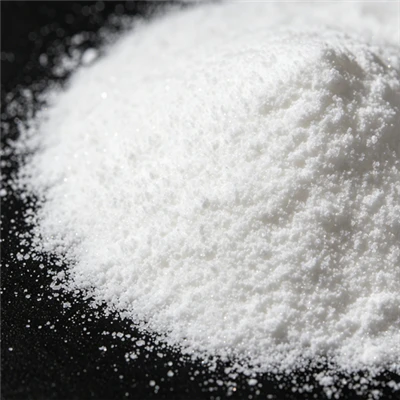
First, let’s ground this in what guanidines actually are for those new to the material. Guanidines are organic compounds with a carbon atom double-bonded to two nitrogen atoms, plus one single-bonded nitrogen, giving them a unique structure that makes them both useful and tricky. Common types we supply include guanidine carbonate, guanidine nitrate, and substituted guanidines like 1,3-diphenylguanidine (DPG) used as a rubber vulcanization accelerator. The key hazards to watch for stem from two main properties: their ability to act as bases (so they can cause skin and eye irritation via pH imbalance) and their dust or fume potential when powdered or heated. Unlike volatile solvents that evaporate quickly, most solid guanidine products we move are low-volatility, but their fine particulate matter is easily inhaled, and when mixed with moisture (from sweat, humidity, or rain), they can become corrosive over time—something even seasoned handlers sometimes overlook.
Let’s start with personal protective equipment (PPE), the first line of defense for anyone handling guanidines, whether that’s a warehouse employee unloading drums, a lab technician weighing small batches, or a client’s production team adding guanidines to a reactor. I can’t stress enough that generic lab coats or basic gloves aren’t enough here. Our team uses a tiered PPE system that matches the task: for routine bulk handling (unloading 50-pound bags of guanidine carbonate or moving 55-gallon drums of liquid guanidine solutions), we require chemical-resistant coveralls (made of polyvinyl chloride (PVC) or nitrile, not cotton or polyester, which absorb dust and can irritate skin), chemical goggles with face shields (not safety glasses alone, because dust can blow sideways into your eyes during bag dumping), and heavy-duty nitrile gloves (12 mil thickness, not the thin 3 mil exam gloves that tear on sharp drum edges or fine powder particles). For tasks that generate more dust—like milling or grinding guanidine into a finer grade for specialty pharmaceuticals—we add N95 respirators, and for anyone working in enclosed spaces like reactor tops where fumes might accumulate, we use supplied-air respirators (SAR) instead of air-purifying models. I once had a client skip the respirator during a 2021 production run, and three of their workers developed mild pneumonitis from inhaling guanidine dust; they switched to our recommended PPE after that, and we now do a pre-shipment PPE briefing for every new client to prevent that kind of mistake.
Next, storage and segregation—this is where a lot of accidents happen, even with experienced teams. Guanidines, especially the substituted types, are reactive with a range of common materials, so mixing them into the wrong storage area is a critical error. At our facility, we store all guanidine products in a dedicated, dry warehouse section with concrete flooring (not wood, which can absorb spilled powder and become a hazard during cleanup) and proper ventilation to prevent dust buildup. The biggest no-nos for storage: first, never store guanidines near acids, especially strong mineral acids like hydrochloric or sulfuric acid. Guanidines are strong bases, and mixing them with acids produces exothermic reactions that release heat, and in some cases, toxic fumes. For example, guanidine nitrate mixed with concentrated sulfuric acid can produce nitrogen oxides, which are lethal in high concentrations. Second, don’t store guanidines near oxidizing agents, like hydrogen peroxide or sodium permanganate. Guanidines can act as reducing agents in some reactions, and pairing them with oxidizers can lead to spontaneous combustion, especially if the storage area gets warm. We also require all drums and bags of guanidines to be sealed tightly at all times, because moisture from humidity can cause guanidine powder to clump, but also, the dissolved compound becomes a corrosive liquid that can leak through damaged packaging. Last year, a competitor of ours stored guanidine bags near a spill of nitric acid that happened on an adjacent warehouse dock; the reaction melted through the drums, causing a small spill that had to be neutralized with a neutralizing agent, not just water—another reminder that storage segregation isn’t just a rule, it’s a safety barrier.
Spill response is another area where we’ve refined our protocols over the years, and it’s one we train all clients on before we first ship to them. Small spills—like a tablespoon of guanidine powder on a warehouse floor—need to be handled immediately, but not with a regular broom. Using a broom or vacuum can kick up dust that becomes an inhalation hazard; instead, we recommend using a commercial absorbent designed for basic materials (not just cat litter, which can contain additives that react with guanidines) and a wet wipe to pick up the spilled material. For small liquid guanidine spills (like a leak from a drum’s valve), we neutralize the liquid with a weak acid like citric acid (not strong acids, which cause exothermic reactions) then absorb and dispose of it according to local environmental regulations. Larger spills—like a 50-pound bag breaking open or a drum rupturing—require immediate evacuation of the area, donning full PPE, and notifying emergency services if the spill is larger than 5 gallons of liquid or 100 pounds of solid. We also emphasize that you should never try to hose down a guanidine spill with water; while water dilutes some bases, it can also spread fine dust into the air and cause the dissolved material to seep into drains, which is a environmental hazard as well. We recently added a spill kit to every shipment we send, complete with absorbent pads, neutralizer, and clear instructions for first response, because we know accidents happen even with the best precautions.
Handling guanidines in production processes, especially for manufacturing applications, has its own set of safety rules that often get overlooked. Many clients use guanidines as additives in rubber, pharmaceuticals, or agriculture, so they’re mixing the compound into reactors, tanks, or processing lines where the material can come into contact with operators. First, we recommend installing dust extraction systems in all areas where guanidine powder is handled; these systems capture airborne particles before they can be inhaled, which reduces the risk of respiratory issues. We also advise against pouring guanidine powder directly into open tanks, which can cause dust clouds that are a fire hazard—guancdine dust is combustible at high enough concentrations, especially in enclosed spaces. Instead, use a closed transfer system, like a pneumatic pump that moves guanidine from drums directly to processing equipment without opening the packaging. For liquid guanidine solutions, we always make sure clients have proper valve locks on drums and transfer lines to prevent accidental releases during pumping. A 2019 incident with a tire manufacturer we work with: their team was pouring guanidine DPG into a mixer, and a small dust cloud ignited from a static spark, causing a minor fire. We worked with them to install static grounding equipment on all transfer lines and updated their dust extraction system, and there haven’t been any issues since. That’s the kind of collaborative safety work we prioritize as a supplier—we don’t just sell product, we help our clients build safe processes around it.
Personal hygiene is a final, often underestimated precaution. After handling guanidines, even if you’re wearing gloves, always wash your hands and forearms with soap and water before eating, drinking, or using the restroom. Guanidines can stick to gloves, and small amounts can transfer to food or mouth if you don’t wash up. We also recommend changing out of contaminated work clothes before leaving the facility, because dust can track into cars or homes, exposing family members to unnecessary risk. I’ve heard from clients who learned this the hard way: a plant worker at a fertilizer manufacturing site took work clothes home, and their child developed a skin rash from guanidine dust on the fabric. Simple steps, but they make a huge difference.
Now, let’s talk about how these precautions translate to working with our team as your guanidines supplier. We don’t just ship product and forget about safety—we provide all clients with a detailed MSDS, on-site safety training for large-volume orders, and access to our safety experts who can answer questions about storage, handling, or spill response. If you’re new to using guanidines, or you’re looking to update your current safety protocols, our team is here to walk you through every step. We’ve worked with industries ranging from pharmaceuticals to agricultural chemicals, so we understand the specific hazards you face in your operations, and we can tailor safety guidance to your needs. Whether you’re a small business testing a new guanidine-based product or a large manufacturing facility sourcing bulk quantities, we prioritize transparency and safety at every stage.
If you’re ready to source high-quality guanidines for your operation, and you want to partner with a supplier who takes safety as seriously as you do, reach out to our team to connect for procurement discussions. We’re here to answer your questions, provide product samples, and work with you to build a safe, reliable supply chain for your guanidine needs.
Dithiocarbamates References
- Occupational Safety and Health Administration (OSHA). Chemical Safety Guidelines: Guanidine Compounds. U.S. Department of Labor, 2022.
- American Chemistry Council (ACC). Safe Handling Practices for Specialty Organic Compounds. ACC, 2021.
- National Institute for Occupational Safety and Health (NIOSH). Respiratory Protection Guidelines for Fine Particulate Dusts. NIOSH, 2020.
- International Programme on Chemical Safety (IPCS). Guanidine Health and Safety Guidelines. World Health Organization, 2019.
- Rubber Manufacturers Association (RMA). Vulcanization Accelerator Safety Protocols. RMA, 2021.
Heze Great Bridge Chemical Co., Ltd.
With abundant experience, we are one of the most professional guanidines manufacturers and suppliers in China. We warmly welcome you to buy high quality guanidines in stock here and get pricelist from our factory. Good service and reasonable price are available.
Address: No.1679 Renmin Road,Heze City,Shandong,China
E-mail: export@greatbridge-chem.com
WebSite: https://www.greatbridgechem.com/
