If you’ve ever shopped for outdoor furniture, you know the appeal of pieces that look polished, hold up through rain and sun, and don’t break the bank. But as an edge banding supplier who works with both furniture manufacturers and DIYers on outdoor projects, I get asked one question more than any other: Is edge banding actually good for outdoor furniture? It’s a fair question—after all, most people associate edge banding with indoor cabinets, bookshelves, and kitchen tables, not patios that swing between 100°F and freezing rain. The short answer is: yes, when it’s the right type. But let’s break this down because there’s a lot more to it than just slapping a strip of plastic on a cut board. Home Furniture Edge Banding

First, let’s get clear on what edge banding does, especially for outdoor use. When you cut a piece of wood—whether it’s solid pine, plywood, MDO, or particleboard (wait, yes, a lot of outdoor furniture uses engineered wood to keep costs down)—you expose the raw end grain. That grain is like a sponge. It soaks up moisture faster than the face or side of the board, and that moisture is the enemy of outdoor furniture. If raw end grain is left exposed, it swells and shrinks with temperature changes, leading to warping, splitting, or mold growth. It also lets UV rays penetrate deep into the wood, causing fading and structural damage way faster than a finished surface. Edge banding seals that end grain. It creates a uniform, moisture-resistant barrier that matches the finish of the furniture’s main surfaces, so the piece not only looks better but lasts longer. That’s the core benefit, but it’s not the only one. Outdoor furniture is also made to resist scratches, stains, and harsh chemicals from things like sunscreen, lawn fertilizer, or patio cleaners. High-quality outdoor edge banding does that, too, by being durable enough to stand up to regular use.
But here’s the catch: not all edge banding is made for the outdoors. If you use indoor edge banding on an outdoor table or chair, it will fail. I’ve seen this happen first-hand. A customer once came to me last year, frustrated because he’d used standard PVC edge banding he bought from a hardware store to trim his outdoor Adirondack chairs. Within six months, the edges were peeling, cracking, and yellowing in the sun. Why? Indoor edge banding is made with materials that can’t handle prolonged UV exposure or constant moisture. Standard PVC will break down under UV rays—ultraviolet radiation causes the plastic to become brittle, and once it’s brittle, even a light bump from a patio umbrella pole or a kid’s toy will make it crack. It also doesn’t have the seal strength to resist water that seeps into outdoor spaces, so after a few rainstorms, the glue holding it on gives out, and the strip peels right off.
So what makes edge banding good for outdoor use? Let’s go through the key qualities I vet for every outdoor edge banding product we supply. First, UV resistance. We use edge banding formulated with UV stabilizers and inhibitors. These additives block the sun’s rays from breaking down the material, so the strip won’t fade, crack, or become brittle even after years of being in direct sunlight. Second, moisture resistance and waterproofing. Outdoor edge banding should be impermeable to liquid water, so it doesn’t absorb moisture itself and creates a tight seal around the wood’s end grain. Third, material durability. We offer a few different options: PVC edge banding for most general outdoor applications, thermoplastic elastomer (TPE) edge banding for flexibility (great for curved pieces like chaise lounges), and even wood edge banding treated with a proprietary weather-resistant sealant for customers who want a natural wood look without the maintenance. Each of these is tested to meet outdoor performance standards, like ASTM D4946 for exterior wood products, which measures adhesion durability and moisture resistance.
Another common question I get: Can edge banding replace other outdoor treatments, like sealing the entire furniture piece with teak oil or spar urethane? No, but it’s a critical complement. Think of edge banding as the insurance policy for the parts of your furniture that are most vulnerable. The main surfaces of a table or chair get sealed with finish, but the cut edges—where two pieces are joined, or where you cut a panel to size—are often missed. Even if you sand and seal the edges by hand, it’s hard to get a uniform, impermeable seal that matches the face grain. Edge banding creates a seamless, consistent seal that’s applied with heat-activated adhesive (for PVC or TPE) or pressure-sensitive glue (for wood veneer edge banding), so there are no gaps where water can seep in. I’ve worked with a small furniture manufacturer in the Pacific Northwest who switched to outdoor-rated edge banding on all their patio pieces three years ago. Before that, their return rate for edge-related damage was around 12% annually. Since switching, that number’s dropped to under 2%. That’s not a small difference—for a company that sells 5,000 patio sets a year, that’s a 500-piece reduction in returns, which saves them thousands in materials and labor.
Now, let’s talk about common myths around outdoor edge banding. One myth I hear all the time is that edge banding is too expensive for outdoor furniture. But let’s do the math. A 100-foot roll of standard outdoor edge banding costs a few dollars, which is way less than replacing a damaged chair or paying for repairs. Also, using edge banding lets manufacturers use more cost-effective engineered woods (like exterior-grade plywood) instead of solid hardwood for every part. Solid hardwood is pricier, and its end grain still needs sealing, so edge banding cuts down on material costs without sacrificing durability. Another myth: Edge banding will peel off even if it’s outdoor-rated. That’s only true if it’s installed wrong. Proper installation matters. You have to make sure the edge of the wood is clean and dry before applying the edge banding, use the right adhesive (we supply heat-activated glue rolls matched to our edge banding, which adhere far better than generic spray glue for outdoor use), and trim the excess flush with a router or edge trimmer after it’s set. Skip those steps, and even the best outdoor edge banding will fail. I’ve also seen DIYers use indoor edge banding on outdoor projects because they didn’t realize there’s a difference—educating customers on that gap is half the job for me.
What about environmental impact? A lot of my customers ask that now, too, as more people prioritize sustainable outdoor furniture. We offer FSC-certified wood edge banding for outdoor use, which comes from responsibly managed forests. Our PVC edge banding is also manufactured with low-VOC (volatile organic compound) materials, so it doesn’t off-gas harmful fumes, even when exposed to heat and sun. For customers who want to minimize waste, edge banding is easy to apply with minimal scrap—unlike solid wood trim, which often requires cutting large pieces that end up in the trash. Plus, when outdoor furniture reaches the end of its life, edge banding can often be recycled with the wood if it’s wood veneer, or our PVC products are formulated to be recyclable at dedicated facilities.
Let’s also cover real-world use cases. Take a customer who built their own outdoor dining set last year. They used exterior plywood for the tabletop, cut it to a 6×3 foot size, and left the end edges raw. After the first rain, the edges swelled, and by the end of summer, there were cracks along the cut edges that let mold grow. They came to us looking for a solution, and we recommended 1-inch PVC outdoor edge banding, matched to the plywood’s dark walnut finish, with heat-activated adhesive. They installed it in an afternoon, and two years later, the table looks the same as the day they finished it—no peeling, no fading, no mold. Another example: a restaurant chain that installed 200 outdoor patio tables for their new location. They tried skipping edge banding to save money, and within a year, 15% of the tables had damaged edges from repeated scrubbing with patio cleaners and UV exposure. They switched to our outdoor edge banding for their replacement order, and now three years later, less than 2% need repairs.
So, to circle back to the original question: Is edge banding good for outdoor furniture? The answer is a resounding yes—when you choose the right type. It’s not a decorative afterthought; it’s a functional component that protects the most vulnerable parts of outdoor furniture, extends its lifespan, cuts down on maintenance, and can even reduce production costs for manufacturers. But the key is to avoid the generic indoor edge banding you’d find in a home improvement store. Look for edge banding that’s explicitly labeled for outdoor use, with UV stabilizers, moisture-resistant materials, and a proven track record of holding up in varying climates.
As someone who’s been in the home furniture edge banding supply industry for over a decade, I’ve seen firsthand how a simple strip of edge banding can turn a flimsy, short-lived patio set into a durable piece that lasts for years. I’ve worked with everyone from small DIYers building their first patio to large commercial furniture companies outfitting hotel chains and restaurant patios, and the takeaway is always the same: investing in the right outdoor edge banding is one of the best choices you can make for outdoor furniture.
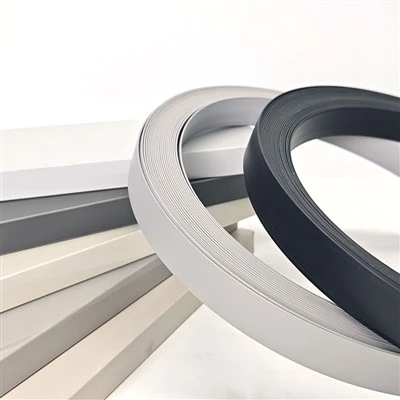
If you’re a furniture manufacturer looking to upgrade your outdoor line, a DIYer working on a backyard project, or a business owner needing durable patio pieces for your space, let’s connect to talk through the right edge banding solution for your needs.
Office Furniture Edge Banding References
ASTM D4946-19, Standard Test Method for Adhesion Strength of Coatings on Wood, American Society for Testing and Materials
International Code Council (ICC), International Residential Code (IRC) for Exterior Wood Products, 2021
Forest Stewardship Council (FSC), Chain of Custody Certification Requirements, Version 6-0
“Durability of Outdoor Engineered Wood Products,” Wood Technology Research Center, University of Minnesota, 2022
Linyi Meador New Materials Co., Ltd.
As one of the most experienced home furniture edge banding manufacturers and suppliers in China, we offer a wide range of products with superior quality. We warmly welcome you to buy bulk premium home furniture edge banding from our factory. Good service and punctual delivery are available.
Address: Meidu New Materials, No.66 Zhenxing Road, Tanyi Town, Feixian County, Linyi City, Shandong Province
E-mail: meador@zohomail.cn
WebSite: https://www.meadorfactory.com/
