If you’ve ever held a smooth, glossy gel capsule—whether it’s a fish oil supplement, a pain reliever, or a botanical extract—chances are it was made on a softgel machine. For over a decade, I’ve worked as a softgel machine supplier, walking clients through everything from small batch nutraceutical brands to large pharmaceutical manufacturers, and I’ve learned that success with this equipment isn’t just about hitting start on a button. It’s about understanding the science behind every step, the nuances of your specific materials, and the small details that turn a messy, inconsistent batch into a set of perfect, stable softgels. Today, I’m breaking down exactly how to use a softgel machine, based on years of hands-on training with every system we supply, from our compact bench-top units for startup labs to our high-volume industrial models for contract manufacturing facilities. Softgel Machine
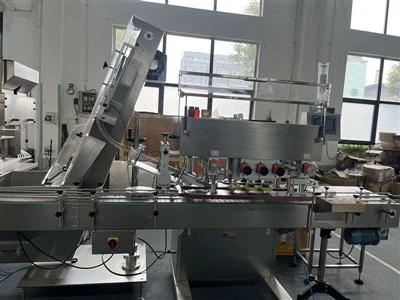
First, let’s start with the basics: a softgel machine works by pressing two thin layers of gelatin (or alternative polymer, for vegan formulations) into a hollow shell, injecting a liquid or semi-solid fill into the center, and sealing the two layers together while they’re still pliable. The machine relies on temperature, pressure, and timing to get this right—too much heat, and the gelatin burns; too little, and the shells don’t seal; wrong pressure, and you’ll have leaks. Before you even turn the machine on, there are three non-negotiable prep steps that will save you hours of frustration later.
First, calibrate your die rollers and adjust your gelatin system. The die rollers are the two metal molds that shape each half of the softgel—their grooves determine the size, shape, and wall thickness of every capsule. If you skip calibration, you might end up with softgels that are oblong instead of round, or have uneven walls that crack during packaging. To do this, first clean the die rollers thoroughly with a food-grade alcohol solution and a soft cloth, then run a small piece of blank gelatin (no fill) through the machine. Pull the resulting “blank” softgels and check them with a digital caliper: measure the length, width, and thickness. If they’re off by more than 0.1mm, adjust the roller tension screws on the side of the machine, a quarter turn at a time, and run another test. For vegan softgels, you’ll also need to adjust the gelatin reservoir’s temperature separately—vegan polymers like pullulan melt at a lower temperature than bovine gelatin, so setting the reservoir 5 to 10 degrees Celsius lower than you would for traditional gelatin will prevent the shells from becoming too runny.
Second, prep your fill material and keep it homogeneous. This is a step I see new clients mess up all the time: if your fill isn’t mixed evenly, you’ll end up with softgels that have inconsistent dosage strengths, or even empty shells. Most softgel fills are oils, suspensions, or semi-solids, and anything that settles (like mineral powders, herbal extracts, or vitamin blends) needs constant stirring during production. Before you load it into the fill pump, mix it in a separate vat for at least 15 minutes, using a low-shear mixer to avoid introducing air bubbles (air bubbles in the fill cause seals to leak). Then, transfer it to the machine’s fill reservoir and set the reservoir’s mixer to run on low speed for the entire production run—no exceptions. We always recommend adding a small amount of lecithin to oil-based fills to improve seal integrity; this is a small adjustment that cuts leak rates by more than 30% for most clients.
Third, set your machine parameters for your specific formulation, not a generic setting. Every softgel is different, so pre-setting the machine’s temperature, pressure, and timing is non-negotiable. Start with the gelatin temperature: traditional gelatin softgels need the die rollers to stay between 28 and 32 degrees Celsius, while the gelatin reservoir should be between 55 and 60 degrees Celsius to keep it molten but not boiled. The fill reservoir should be 3 to 5 degrees cooler than the gelatin reservoir, to prevent the two materials from mixing at the seal. Next, set the pump speed: small, bench-top units work best at 10 to 15 mL per minute for most sizes, while industrial models can handle up to 100 mL per minute, but always test at a low speed first to adjust for fill consistency. The most important parameter is the seal pressure: too low, and the two gelatin shells won’t bond; too high, and the fill will squirt out the sides. We always have clients run 10 test capsules, then press them gently between two clean glass slides: if the seal breaks and fill oozes out, increase pressure by 1 PSI; if the shell bulges but doesn’t break, you’re good.
Once all the prep is done, you’re ready to run the machine, but even here, small steps will make a huge difference in the quality of your final product. Start with a low-speed run for the first 100 capsules, not full speed. This gives you a chance to catch issues early: if the shells look wrinkled, your gelatin is too hot; if the fill is dripping from the sides, your seal pressure is too low; if the capsules are misaligned, your die rollers are off. Once those 100 capsules look perfect, you can increase the speed to the machine’s maximum recommended for your model. During the run, don’t walk away—check the output every 15 minutes. I’ve seen too many clients leave the machine running for an hour, only to come back and find that the gelatin reservoir ran low, leading to 2,000 wasted capsules. Also, keep a small spray bottle of denatured alcohol nearby: if a capsule gets stuck in the rollers, spray a tiny amount to loosen it, don’t yank it out with your fingers—yanking will scratch the die rollers, which ruins their shape and causes consistent defects.
After you run your batch, the work isn’t done yet—curing the softgels is a critical step that most new operators skip, and it’s what keeps your softgels stable for shelf life. Freshly sealed softgels are soft and moist, so if you package them right away, they’ll stick together, or the seals will break. Curing takes two to four days, depending on humidity, and it involves transferring the softgels to a drying tray with a thin layer of paper towel between each layer, then placing them in a temperature- and humidity-controlled curing room. The ideal curing environment is 20 to 22 degrees Celsius and 40 to 50% relative humidity. Don’t use a regular oven or a dehydrator for curing—too much heat will make the gelatin crack, and too much airflow will dry out the outer layer too fast, leaving the inside moist and prone to spoilage. Once cured, you can polish the softgels with a food-grade powder to remove any excess moisture, then run them through a metal detector or weight check to sort out any faulty capsules before packaging.
Now, I know what some of you are thinking: “This seems complicated. Can’t I just press a button and get perfect softgels?” The short answer is no—softgel manufacturing is part science, part small-batch craft, and the best operators know their machine as well as they know their formulation. Over the years, we’ve supported hundreds of clients, and the ones that get the best results are the ones that don’t cut corners on prep and testing. I’ll give you an example: a small wellness brand we worked with last year wanted to make vegan omega-3 softgels, and they tried to use a generic gelatin setting on their bench-top softgel machine. They ended up with a 40% leak rate, and their capsules were dissolving within two weeks of production. We walked them through recalibrating their die rollers, adjusting the pullulan gelatin temperature to 50 degrees instead of 58, adding lecithin to their plant-based oil fill, and slowing their run speed by 20%. The leak rate dropped to less than 2%, and their softgels had a six-month shelf life, which is exactly what they needed for their launch.
Another common mistake: not maintaining your machine regularly. A softgel machine is just like any other industrial equipment—if you don’t clean it properly after every use, parts will wear out, and defects will increase. We always recommend a deep clean once a month, even if you run small batches. To do this, run plain water through the gelatin reservoir and fill lines for 10 minutes, then run a piece of blank gelatin through the machine to pick up any residual material. Disassemble the die rollers, soak them in warm, soapy water for 30 minutes, then dry them thoroughly and coat them with a thin layer of food-grade oil to prevent rust. Don’t use harsh chemicals like bleach or ammonia—they can leave residues that contaminate your softgels, and they’ll eat away at the machine’s metal parts over time.
If you’re just starting out with a softgel machine, or you’ve been dealing with inconsistent batches, remember that the best way to get comfortable with your equipment is to practice. We offer on-site and virtual training for every machine we supply, and we always tell new clients to run test batches with blank gelatin and a simple oil fill (like mineral oil) for the first week, before using their actual expensive formulation. Test batches let you tweak settings, fix small issues, and build confidence without wasting materials.
At the end of the day, a softgel machine is a tool, and like any tool, its success depends on how well you use it. Whether you’re a startup making herbal supplements in a garage lab, or a large pharmaceutical manufacturer producing prescription medications, the key is to take the time to prep properly, test every adjustment, and pay attention to the small details. If you’re in the market for a softgel machine, or you’re having trouble with the one you already have, our team is here to help—we don’t just sell equipment, we work with you to make sure you get the consistent, high-quality softgels your customers expect.

If you’re ready to upgrade your softgel production, troubleshoot an existing machine, or learn more about our range of systems for every production size, don’t hesitate to reach out for a procurement consultation. We’ll walk through your needs, answer all your questions, and help you find the right solution for your business.
CheckWeigher References
- Gennaro, A. R. (2006). Remington: The Science and Practice of Pharmacy (21st ed.). Lippincott Williams & Wilkins.
- Gibson, S. (2019). Softgel Technology and Manufacturing: A Practical Guide. Journal of Pharmaceutical Innovation, 14(3), 189-197.
- United States Pharmacopeia (USP). (2022). General Chapter <1151> Pharmaceutical Dosage Forms: Soft Gelatin Capsules. USP Convention.
- Patel, M., et al. (2021). Formulation and Processing Considerations for Vegan Softgels. Journal of Excipients and Food Chemistry, 12(2), 112-121.
Wenzhou Vitol Machinery Co., Ltd.
As one of the most professional softgel machine manufacturers and suppliers in China, we have world-leading production equipment and strong manufacturing capabilities. Please rest assured to buy customized softgel machine made in China here from our factory. Also, quotation is available.
Address: #16 Yongen Road, Longwan Area, WenZhou, Zhejiang, China
E-mail: leapeng01@gmail.com
WebSite: https://www.vitolsoftgel.com/
