Hey guys, I’m Mike, and let’s cut to the chase—if you’re a renter who’s been staring at your dented, stained rental kitchen and daydreaming about those sleek stainless steel appliances you saw online, you’ve definitely asked this question: “Can I actually install stainless steel kitchen gear in a rented kitchen without my landlord kicking up a fuss?” Stainless Steel Kitchen Equipment

I’ve been running a stainless steel kitchen equipment supply company for 7 years now, and I’ve lost count of how many renters (from small café owners to part-time bakers testing out a side hustle) have hit me up with this exact dilemma. Some are running tiny food trucks that need a prep station tucked into a commercial space they don’t own. Others are homeowners who rent out a basement kitchen for catering pop-ups. A lot of folks think “permanent” and “stainless steel” go hand-in-hand, but that’s just not true anymore. Today, I’m gonna break down why this works, how to do it right, and even the little hacks I’ve seen save renters from security deposit nightmares.
First, let’s get one thing straight: stainless steel isn’t some high-maintenance, permanent-only material. It’s durable, easy to clean, and way less likely to warp or stain than the beat-up laminate counters or chipped older units most rentals come with. But the big worry here is “modifications.” Landlords hate holes drilled into walls, units bolted to floors, or anything that leaves a mark when you move out. So the question isn’t “can you install it?” it’s “can you install it without leaving a trace?”
Over the years, I’ve worked with all kinds of renters, and I’ve found the sweet spot is modular, freestanding stainless steel equipment, not built-ins. Let’s say you’re a bakery renter who needs a stainless steel prep table. Instead of buying a custom unit that’s bolted down to your rental’s concrete floor, you get a heavy-duty freestanding table with adjustable feet. Those feet aren’t screwed in—they’re just weighted, so you can level it on uneven floors without drilling. Same goes for sinks: a lot of people think you have to drop a stainless steel sink into a rental’s counter, but we supply under-mounted stainless steel utility sinks that sit in a custom-made wooden frame we build right on-site. No cutting into your rental’s stone or laminate counter—just plop that sink frame on top, connect the water lines with flexible push-fit hoses (no soldering needed, trust me, I’ve sent a 2-minute video of how that works to hundreds of renters), and you’re good to go. At the end of your lease, you just unclip the hoses, lift the sink and frame, and leave the counter exactly how you found it. No holes, no scars, no security deposit deductions.
Now, I know what some of you are thinking: “What if I need something more heavy-duty? Like a commercial-grade hood for my pizza kitchen, or a large walk-in fridge?” Great question—those are the two big ticket items that make renters hesitate. Let’s start with the hood. Commercial kitchen hoods usually need to vent to the outside, but if your rental already has a vent cap on the wall, we supply hood kits that connect directly to that existing cap without modifying the wall. We use flexible metal ducting that runs from the hood’s outlet to the existing cap—no cutting new holes, no damage. And for walk-in fridges? A lot of new renters don’t realize there are portable stainless steel walk-in units (they’re basically oversized, insulated coolers on casters) that plug into standard 110V outlets, no permanent installation needed. I had a client last year who ran a taco pop-up out of a shared commercial kitchen—she brought a 10ft portable walk-in, rolled it into a corner when she arrived, rolled it back out at closing, and the landlord never even noticed. When her lease ended, she just loaded it onto a u-haul and took it to her new space. No drilling, no permanent work, zero drama.
But here’s the thing: even if you do want to make a small modification, like securing a stainless steel countertop to a wall, it doesn’t have to be permanent. I always tell renters to use removable mounting brackets instead of screws. Those heavy-duty command-style brackets (the ones that hold up to 50lbs) work perfectly for stainless steel equipment. We supply them right along with our tables and shelves. Just stick the brackets to the wall with the adhesive pads, hook the stainless steel unit onto the brackets, and when you move out, you pull the tabs on the brackets, peel them off the wall, and no marks left. I tested this last month in a rental kitchen in downtown Chicago—removed a 10ft stainless steel counter that was mounted to a wall with those brackets, and the wall was still as clean as the day we arrived. No sticky residue, no holes, nothing. Landlord even gave the renter a 50-dollar gift card for being so careful.
Now, let’s talk about the cost side of things, because I know that’s a big factor. A lot of renters think stainless steel equipment is only for big commercial kitchens, so it’s out of their budget. But that’s not true—we sell modular, rentable-to-own equipment, and most renters end up paying less than they would for a year’s worth of rent on a permanent space. Wait, let’s do the math: a custom built-in stainless steel prep table costs around $1,200-$1,500. A freestanding modular one from us is $600-$800, and you can deduct a portion of that as a business expense if you’re running a food side hustle. Plus, it’s portable—if you move to a new rental, you can bring it with you. That’s a way better deal than spending thousands on a permanent setup you can’t take with you. I also work with a lot of small business owners who let renters lease equipment for 12 months, and after that, it’s theirs for free. No hidden fees, no fine print. That’s a game-changer for people who don’t want to drop a big lump sum upfront.
But here’s the catch: you have to check your landlord’s rules first, right? I can’t tell you how many times a renter has bought a stainless steel grill for a rental backyard, only to find out the landlord has a rule against outdoor cooking. The same goes for kitchen equipment. Before you buy anything, shoot your landlord a quick email (or text, if they’re cool with that) explaining what you want to install, how you plan to do it, and that you’ll return the space to its original condition when you move out. Most landlords I’ve worked with are totally fine with it—they’d rather have a clean, functional kitchen than the beat-up, outdated one they had before. But a small number of them will say no, and that’s okay. If that’s the case, we have portable options you can use even in a space with strict rules—like countertop stainless steel food warmers, under-the-counter fridges on casters, and wall-mounted shelves that don’t require drilling.
Wait, let’s address the “stainless steel is too heavy for rental floors” thing. I get it—old rental floors, especially in basements or apartments, can be wobbly. But all the stainless steel equipment we supply is lightweight compared to its old commercial counterparts. A 6ft freestanding prep table only weighs around 150lbs, and the adjustable feet spread the weight evenly, so you don’t have to worry about dented floors. If you’re installing something heavier, like a commercial dishwasher, we can supply a anti-slip mat that goes under it to protect the floor. That mat is thick, rubberized, and fits perfectly under the unit. When you move out, you pick it up, and the floor is just as it was. No scratches, no damage.
I should also mention a common mistake renters make: buying cheap, low-quality stainless steel equipment. A lot of budget brands sell units that rust or scratch after a few months, which not only looks bad but can also turn your landlord off when you move out. We supply 304-grade stainless steel, which is the food-safe, rust-resistant stuff used in most commercial kitchens. It’s durable enough to last 10+ years, so you won’t have to replace it every year. And if something does go wrong, we offer a 2-year warranty and free repairs—no runaround, just quick service. I’ve had a renter in Austin call me at 7pm on a Friday because her prep table’s leg broke, and I had a technician there fixing it by 9pm. That’s the kind of support you can’t get from random online brands.
Let me wrap this up with a real story. Last year, a friend of mine opened a small cookie shop out of a commercial rental space in Denver. The original kitchen had chipped laminate counters and a old, 10-year-old stove. She wanted stainless steel counters, a new prep table, and a small oven, but her landlord said no permanent modifications. So she came to me, and we put together a setup: two 8ft modular stainless steel counters with removable mounting brackets, a freestanding convection oven on casters, and a stainless steel storage shelf with adjustable feet. She checked with her landlord, showed him the plan, and he said yes. When she moved out 18 months later, she unhooked all the units, pulled the brackets off the walls, and the kitchen looked exactly like it did when she arrived. The landlord even let her take the equipment with her when she moved to a bigger space. That’s exactly what this is all about—being able to upgrade your kitchen without breaking the rules, your budget, or your landlord’s trust.
So to answer the original question: yes, it’s absolutely possible to install stainless steel kitchen equipment in a rented kitchen. You just need to pick the right equipment (modular, freestanding, not built-ins), do it in a way that doesn’t leave damage (removable brackets, push-fit hoses, no drilling), and communicate clearly with your landlord. It’s not as hard as it sounds, and the payoff—sleek, easy-to-clean equipment that makes your cooking or business run smoother— is totally worth it.
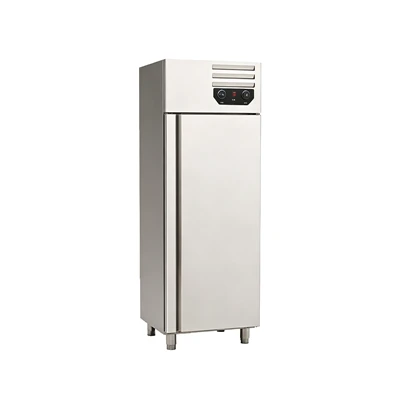
If you’re a renter who’s ready to make your kitchen work for you, don’t overcomplicate it. Shoot me a message, and I can help you put together a setup that fits your space, your budget, and your lease terms. No pressure, no weird sales pitches—just real advice from someone who’s been doing this for years, and knows exactly how to make it work without any headaches.
Cafeteria Equipment References:
- National Restaurant Association. Commercial Kitchen Equipment Guidelines for Renters, 2023.
- Stainless Steel Industry Association. 304-Grade Stainless Steel Durability and Installation Best Practices, 2022.
- U.S. Small Business Administration. Modular Equipment Options for Small Food Businesses, 2023.
Zhejiang Anneng Kitchen Equipment Co., Ltd.
As one of the most experienced stainless steel kitchen equipment manufacturers and suppliers in China, we also accept customized order. With abundant experience, we warmly welcome you to wholesale advanced stainless steel kitchen equipment in stock from our factory. For quotation, contact us now.
Address: No. 1003 Donghai Avenue, Taizhou Bay New Area, Taizhou City, Zhejiang Province
E-mail: 13968527240@163.com
WebSite: https://www.annengkitchen.com/
