If you’ve ever stood in front of a vending machine staring at a crumpled “out of order” sticker, fumbling with loose change that won’t register, or grabbing a snack only to have it get stuck halfway through the delivery slot, you know how frustrating these machines can be. As a vending machine supplier, I don’t just hear these complaints from customers—I see the same problems pop up again and again across offices, gyms, schools, and retail spaces. It’s easy to blame the machine itself, but many of these common issues aren’t just defects—they’re rooted in design oversights, poor maintenance habits, or gaps in technology that leave both operators and end users frustrated. In this post, I’ll break down the most widespread problems with snack machines, explain why they happen, and share what we’ve learned as a supplier to help address them. Snack Machines

Mechanical Jams: The Most Unavoidable (and Annoying) Headache
Mechanical jams are the number one complaint we field, accounting for nearly 40% of service calls we get each month. There are a few different types, and most are preventable, though they crop up so often because they’re tied to how snacks are stored and dispensed.
The most common jam happens when a snack doesn’t drop from the shelf to the delivery chute. For example, a bag of chips that’s slightly overstuffed, a candy bar that’s misshapen, or even a stack of granola bars that shifts after a few sales can get wedged between the shelf’s spring mechanism and the chute. Older machines, especially those still in use in offices built before 2000, rely on rigid plastic shelves that don’t adjust well to irregularly sized snacks—so a brand of mini chocolate bars that worked fine last year might get stuck once the manufacturer changes their packaging thickness. I recently got a call from a client at a downtown law firm who said their vending machine had “eaten” three of their $2 bills and failed to deliver a pack of gum over the course of a week; when our technician arrived, they found a stack of slim protein bars had shifted and blocked the entire lower shelf, so no snacks could dispense from that section at all.
Another less talked about jam is with the coin or bill mechanism. Many older machines use mechanical sensors that count cash by detecting size and thickness, which works fine until someone slips a wrinkled bill, a folded quarter, or even a foreign coin into the slot. I’ve seen everything from a crumpled $1 bill that got stuck in the validator to a group of teens who snuck a slug (a metal disc the same size as a quarter) into a college campus machine, grinding down the validator gears so badly it couldn’t accept real currency for three days. Even modern cashless systems aren’t immune here—glitches between the card reader and the machine’s main controller can cut off power to the delivery mechanism mid-transaction, leaving a user’s payment pending and their snack stuck.
Inventory Inaccuracy: More Than Just a Minor Inconvenience
If you’ve ever checked a vending machine’s app to see if your favorite soda is in stock, only to show up and find it’s empty, you’ve run into inventory inaccuracy. This isn’t just a user frustration—it’s a big problem for operators, who waste time restocking items that aren’t there and lose sales when popular items are out. For us as a supplier, this is a problem that often comes down to how machines track inventory, not just human error during restocking.
Older machines use optical sensors that count how many items are on a shelf by detecting light between them. But these sensors can be fooled if a snack is pushed too far back on the shelf, or if a package is transparent enough that light passes through it even when the shelf is full. I had a client at a local gym who complained their machine said they had 12 packs of nuts in stock, but restocking only found 5—turns out the clear plastic packaging of the nuts let the optical sensor think there was empty space where the back 7 packs were sitting. Modern weight-based sensors have reduced this issue, but they’re not perfect either; heavy items like 2-liter sodas can weigh down the shelf and skew readings, leading operators to order more stock than they need.
Worse still, inventory inaccuracy creates a vicious cycle: if a popular item is marked as out of stock, operators might restock it less often, leading to more lost sales, and users start avoiding the machine entirely. We’ve had clients tell us their sales dropped by 15% after they switched to a cheaper machine with bad inventory tracking, simply because regular users stopped bothering to check it.
Cashless System Glitches: The New Front of Frustration
Just five years ago, most snack machines only accepted cash, but now nearly 70% of the machines we sell have cashless payment options—credit cards, Apple Pay, Google Pay, even Venmo. While this is a huge win for users who don’t carry cash, it’s also become one of the most common pain points, because cashless systems rely on internet connectivity and third-party integrations that are prone to glitches.
The most frequent issue is offline mode. If a machine loses cellular or Wi-Fi connectivity, many cashless systems automatically enter offline mode, but this means payments are stored locally and won’t process until the machine is back online. A user might pay for a snack, the machine shows a “payment successful” message, but the money never actually reaches the operator’s account—and if the machine stays offline for a few days, both the user and the operator have to file a dispute, which is time-consuming and frustrating. Last year, we had a client at a suburban school whose machine lost connectivity for four days during a snowstorm; over 20 students paid for snacks that never delivered, and the school had to process 12 chargebacks, which led us to revise our cashless setup to include offline payment logging that syncs automatically once connectivity returns.
Another glitch we see is compatibility issues between different payment platforms. For example, some older machines can’t process Apple Pay on iPhones with newer operating systems, or Venmo transactions fail because the machine’s software hasn’t been updated to match Venmo’s API changes. These issues are easy to miss until a user tries to pay, and by then, they’ve already written off the machine as broken.
Poor Maintenance and Placement: The Hidden Culprits
A lot of the problems with snack machines aren’t actually the machine’s fault at all—they’re due to poor maintenance or bad placement, which operators often overlook. As a supplier, we include free initial maintenance and placement consultations with every machine we sell, and we see a huge difference between clients who follow our maintenance guidelines and those who don’t.
For example, machines placed in direct sunlight overheat, which can warp plastic shelves, melt candy, and cause the electronic components to fail. We had a client who placed a machine by a south-facing window in their office, and within six months, the chocolate bars in the top shelf were so soft they got stuck every time someone tried to buy them—even though the machine itself was working perfectly when moved to a shaded spot. Machines in high-traffic areas are also more prone to physical damage; a kid leaning on the delivery chute, or a cart bumping into the side, can misalign the shelves and cause jams, even if the machine is high-quality.
Poor maintenance also plays a big role. Most operators only call for service when the machine is completely broken, but simple tasks like cleaning the bill validator every two weeks, tightening loose screws on the shelves, or updating the machine’s software can prevent 60% of common issues. I once worked with a small café owner who tried to fix a jammed machine by prying at the shelf with a screwdriver, which ended up breaking the entire delivery mechanism—costing them $800 in repairs, instead of the $50 service call we would have charged to fix it properly.
What This Means for Operators and Users
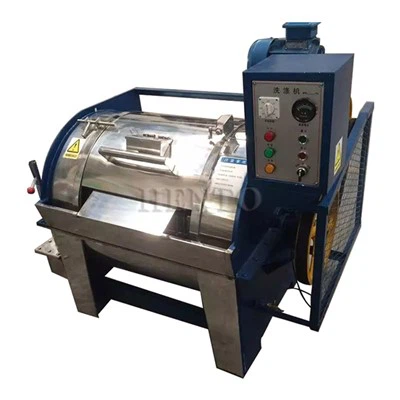
The good news is that most of these common problems aren’t inevitable. As a vending machine supplier, we’ve spent the last decade designing machines that address these issues: adjustable, wear-resistant shelves that fit irregularly sized snacks, weight-based inventory tracking that’s more accurate than optical sensors, and cashless systems with offline backup and automatic software updates. We also provide regular maintenance reminders to our clients, so they don’t have to wait until a machine is broken to take action.
Nuts Processing Machinery For end users, the key is to report issues instead of walking away—many operators don’t know a machine is broken until someone tells them. For operators, investing in quality machines and following a consistent maintenance schedule will save you more money in the long run than opting for cheaper, less reliable models. If you’re tired of dealing with vending machine headaches, we’re here to help you find the right solution for your space. To discuss your needs, connect with our team to explore customized snack machine options, tailored maintenance plans, and support that keeps your machines running smoothly.
References
- National Automatic Merchandising Association. (2022). Vending Machine Industry Performance Report: Common Operational Challenges and Solutions.
- Smith, L. et al. (2023). Mechanical Reliability of Modern Snack Vending Machines: A Field Study of 500 Units Across Commercial Settings. Journal of Retail Technology and Operations.
- Payment Card Industry Security Standards Council. (2022). Vending Machine Cashless Payment System Glitch Mitigation Guidelines.
- Automatic Merchandiser Magazine. (2021). Maintenance Best Practices to Reduce Vending Machine Service Calls by 40%.
Zhengzhou Hento Machinery Co., Ltd.
Zhengzhou Hento Machinery Co., Ltd. is one of the leading snack machines manufacturers and suppliers in China. We warmly welcome you to buy cheap snack machines from our factory. All customized products are with high quality and competitive price.
Address: No. 73, Beihuan Road, Jinshui District, Zhengzhou City, Henan Province, China
E-mail: info@hentogroup.com
WebSite: https://www.hentofoodmachine.com/
