If you’re in the power distribution space, you’ve probably heard of reclosers—those nifty automated devices that keep outages from dragging on, right? As a supplier of these bad boys, I get tons of questions from technicians and project managers asking, “What do I actually need to get one installed without headaches?” I’m not here to ramble about factory specs or jargon no one uses on job sites. I’m gonna break down the real, on-the-ground installation requirements that matter—no fluff, just what’ll keep your crew from being stuck halfway through a upgrade. Recloser
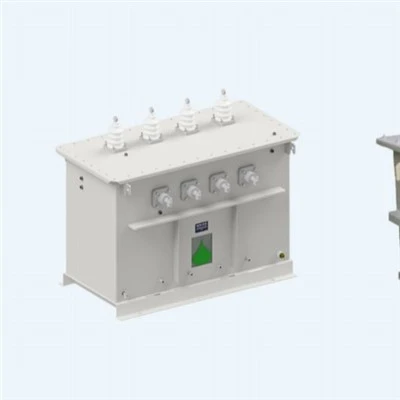
First off, let’s start with the basics: reclosers aren’t plug-and-play like a home Wi-Fi router. They live out in the elements, so their housing needs to handle whatever Mother Nature throws at ’em. Wait, I’m not just talking “rainproof”—I mean the NEMA (National Electrical Manufacturers Association) ratings. A lot of folks mix up ratings, but here’s the straight dope: if you’re installing in a rural area with dust, dirt, and occasional critters chewing wires, you want a NEMA 3R or higher housing. If it’s a coastal site where salt air is a thing, you need NEMA 4X to fend off corrosion. Skimping here? You’ll be replacing the housing in a year, not when the recloser actually wears out. Don’t forget the ambient temp range either. I’ve seen guys try to mount a recloser in a spot that hits -40°F in winter and 120°F in summer with a standard unit—total disaster. The recloser’s operating temp has to match the site’s extremes; if it’s way off, the internal electronics will crap out, leaving you with a fancy paperweight.
Next up, the mounting structure—you can’t just bolt a recloser to a wobbly pole and call it done. First, pole size. Most reclosers are built for 4-inch to 10-inch diameter poles, but double-check: if your pole’s too small, the unit’ll sway in high winds, and that can mess up the internal contacts. If it’s too big, you’ll need custom brackets, which add time and cost. Then there’s the height. I recommend mounting reclosers 10 to 12 feet above ground—low enough to work on safely without a lift every time, high enough to keep vandals or animals from mucking with it. Oh, and the mounting bracket itself: it needs to be galvanized steel, no cheap aluminum garbage. Galvanized doesn’t rust, which means no structural failure after a few years of rain or snow. Pro tip: add a wind load factor! If you’re in a hurricane zone or plain where straight-line winds are common, make sure the bracket and pole are rated for at least 110% of the local wind speed codes. I’ve had a couple customers skip this, and they ended up with a recloser on the ground after a big storm—yikes.
Now, the electrical connections—this is where most mistakes happen, trust me. First, the voltage rating. Your recloser has to match the distribution line’s voltage. If it’s a 15kV line, don’t grab a 25kV unit thinking it’ll “work fine”—that’s overkill and a waste of money. If it’s a 25kV line, a 15kV unit can’t handle the load, and it’ll fail fast. Next, the conductor size. The incoming and outgoing lines have to be thick enough to carry the recloser’s rated current. Most reclosers have a max current rating—say 600A—so your conductors need to be at least that gauge to avoid overheating. A lot of guys use existing conductors without checking, and that leads to voltage drops or even fires. Don’t forget the grounding! Reclosers need a solid ground rod—at least 8 feet long, driven deep enough to hit moisture. If the ground’s bad, the recloser’s surge protection won’t work, and lightning will fry it. Also, the ground wire itself needs to be copper, not aluminum—aluminum corroded breaks the ground connection, and that’s a safety hazard. Oh, and make sure you have the right number of phases—single-phase for small lines, three-phase for commercial or heavy-duty spots. Mixing that up is a quick way to trip the recloser constantly.
Wait, we can’t skip the communication and control setup either—modern reclosers aren’t just “set it and forget it.” A lot of them work with SCADA (Supervisory Control and Data Acquisition) or remote monitoring tools, so you need the right infrastructure. If you’re going wired, you need Ethernet cable rated for outdoor use—cat5e or cat6, not the cheap indoor stuff. If wireless is your jam, check the cellular signal strength at the site. I’ve had customers install a recloser in a valley with no cell service, and they couldn’t monitor it until we added a signal booster. Also, the control power: some reclosers run on the distribution line’s power, others need a separate transformer. Make sure the control power’s consistent—if it drops out, the recloser won’t trip when it needs to. Don’t skimp on the control wiring either; use shielded cable to prevent interference from power lines, which can mess up the recloser’s timing.
Testing is another big one that gets rushed. You can’t just hook up the recloser and turn it on. First, do a insulation resistance test—check that the wiring and housing are properly insulated, no leaks. Then a contact resistance test to make sure the internal switches are making good connections. Most importantly, do a “time-current characteristic” test—this is where you verify the recloser trips at the right time and current, so it doesn’t mess up other protective devices on the line. I’ve seen guys skip this, and they end up with the recloser triping when a fuse should, or vice versa, which causes more outages. For the final test, simulate a fault—short the line temporarily—to make sure the recloser trips and recloses correctly, no weird glitches.

Now, let’s talk about site-specific quirks I’ve run into as a supplier. If you’re in a area with a lot of wildlife—squirrels, raccoons, even birds—you need to add protective covers for the connections. Critters love to chew through wiring, and that’s a common failure point. If it’s a area with heavy ice, make sure the recloser’s operating mechanism is de-iced—some units have built-in heaters, but if yours doesn’t, you’ll need to add heating pads. Oh, and right-of-way! Make sure the pole and recloser are on public or private right-of-way, not on someone’s land without permission. That’s a legal headache no one wants to deal with after you’ve already installed it.
Composite Surge Arrester I know this sounds like a lot, but here’s the thing: getting the installation right the first time saves you money on repairs, outages, and replacement parts down the line. As a recloser supplier, I’ve worked with dozens of teams to get these details right, and I can tell you—cutting corners on installation requirements is the number one reason reclosers fail early. If you’re planning a upgrade, or just replacing an old recloser, don’t guess at these specs. You need a supplier that can walk you through site assessments, make sure you’re getting the right unit, and support you through the installation. Don’t wait until you’re stuck with a unit that doesn’t fit your site, or wiring that keeps tripping. Reach out to me, and we can go over your specific needs—no sales pitch, just straight answers to get your project done right.
References
- National Electrical Manufacturers Association. (2020). NEMA Standards for Enclosures for Electrical Equipment.
- Institute of Electrical and Electronics Engineers. (2019). IEEE Guide for Installation, Operation, and Maintenance of Reclosers and Sectionalizers.
- Electric Power Research Institute. (2021). Distribution Automation Equipment Installation Best Practices.
EC Insulator Jiangxi Co., Ltd.
EC Insulator Jiangxi Co., Ltd. is one of the most experienced recloser manufacturers and suppliers in China, also supports custom service. Please feel free to wholesale advanced recloser made in China here from our factory. Contact us for more details.
Address: Yuanyang Road, Wuyuan County, Shangrao City, Jiangxi Province China
E-mail: info@ec-insulators.com
WebSite: https://www.eci-elecglobal.com/
